Visiting Morocco During Ramadan: Your Complete Guide
Introduction
Planning a trip to Morocco raises one important question: *when* should you go? Visiting Morocco during Ramadan is an experience that divides travelers. Some avoid it entirely. Others call it the most profound journey of their lives. The truth lies somewhere between the two — and understanding it changes everything.
During Ramadan, Morocco transforms. Streets empty during the day. Then, at the sound of the call to prayer, the entire country comes alive. The smell of harira fills every alley. Lanterns glow from every rooftop. As a traveler, you enter a Morocco that most tourists never see. This guide covers everything — cultural etiquette, practical logistics, what to eat, and how to make the most of this unique sacred season.
—
Key Takeaways
– 🌙 Ramadan in Morocco for 2026 runs approximately from February 17 to March 18, 2026 (subject to moon sighting)
– 🍽️ Most restaurants reduce hours or close during daylight; tourist areas remain partially open
– 🤝 Respecting local customs is essential — dress modestly, avoid eating in public during fasting hours
– 🎊 Iftar (the evening breaking of the fast) offers some of the richest cultural experiences in Morocco
– 💰 Travel costs can be 10–25% lower during Ramadan due to reduced tourist demand
– 🕌 Spiritual and cultural immersion during this period is unmatched anywhere in the Muslim world
—
Understanding Ramadan in a Moroccan Context
Ramadan is the ninth month of the Islamic lunar calendar. For Morocco’s 37 million people — over 99% Muslim — it is the holiest month of the year. Fasting runs from pre-dawn (Suhoor) to sunset (Iftar). This is not merely a dietary restriction; it is a total spiritual recalibration.
Morocco observes Ramadan with intense community devotion. Mosques overflow with worshippers nightly for Tarawih prayers. Families gather each evening for elaborate meals. Shops follow unusual hours. The social rhythm of the entire country shifts dramatically. Understanding this rhythm — rather than fighting it — is the key to having a genuinely extraordinary trip.
> *”Ramadan in Morocco isn’t a travel inconvenience — it’s a masterclass in humanity.”* — Solo traveler review, TripAdvisor 2024
—
What Ramadan Looks Like Day by Day
Daytime: A Different Pace
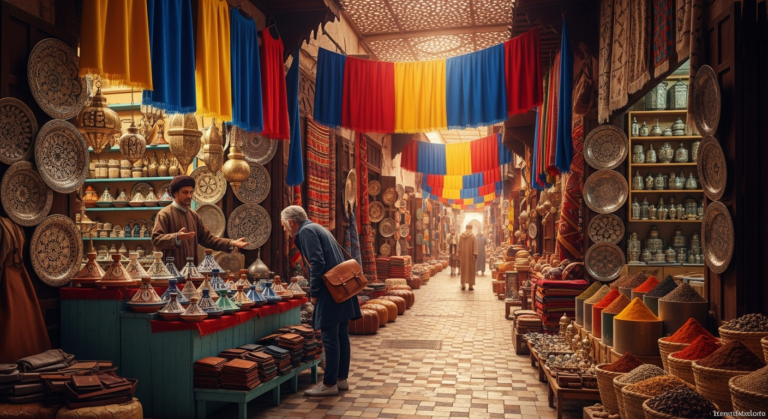
During daylight hours, Morocco moves slower. Many local restaurants, cafés, and street food stalls are fully closed. Some medina shops open late — around 10 AM — and close earlier. Expect reduced public transportation frequency in rural areas. Cities like Marrakech, Fes, and Casablanca maintain more consistent services due to tourist infrastructure.
However, this slower pace has real advantages. Popular attractions like the Bahia Palace, Koutoubia Mosque, and the Fes medina’s narrow souks become noticeably less crowded. Queue times at tanneries and major museums drop significantly. Photographers especially appreciate the quieter, more atmospheric light of a Ramadan morning.
Evening: Iftar and the Night Alive
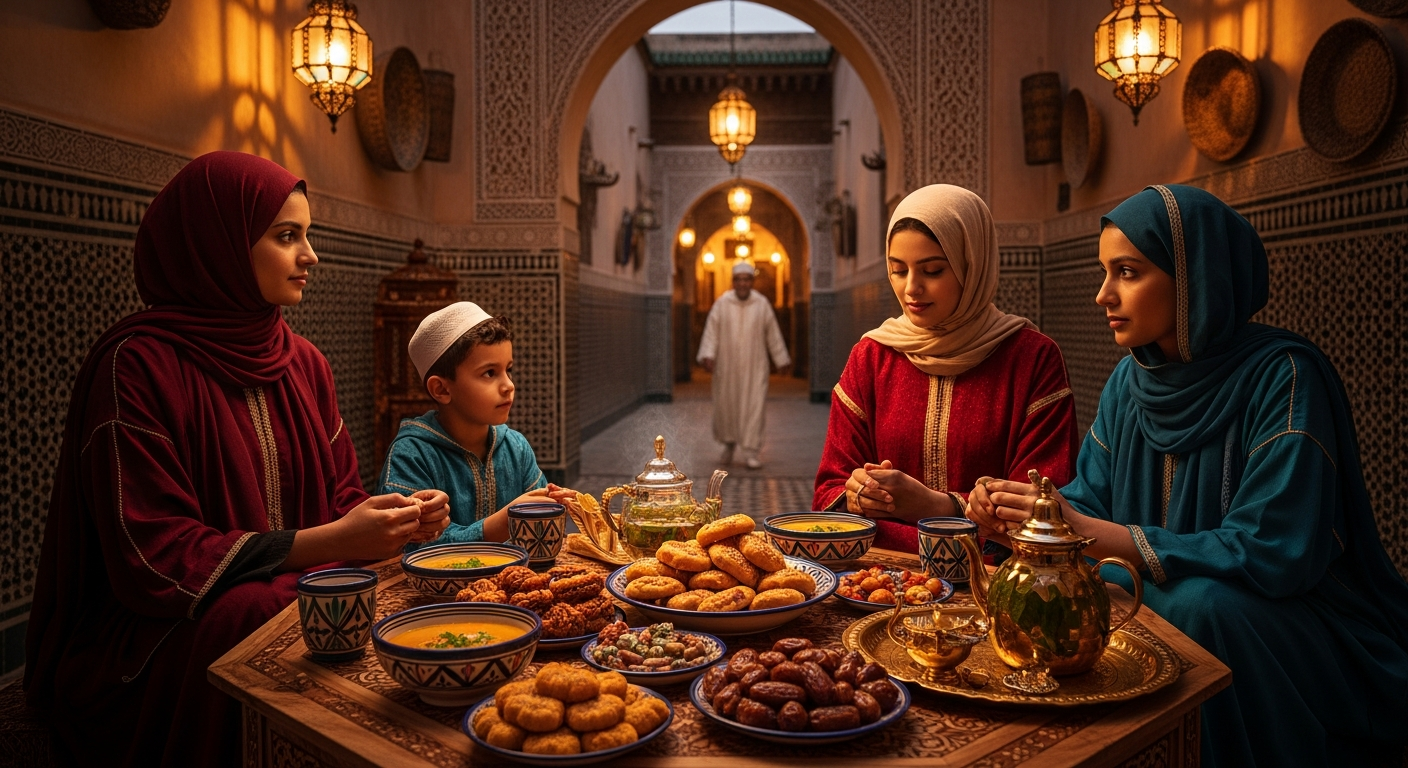
After sunset, Morocco explodes into life. The Maghrib call to prayer signals Iftar, and within minutes, streets transform. Families share harira soup, dates, chebakia, and sellou. Public squares become outdoor dining spaces. The atmosphere is electric, joyful, and deeply generous. Travelers who time their evening walks to coincide with Iftar witness something genuinely unforgettable. Many Moroccans will invite strangers — including foreign tourists — to share their meal without hesitation.
—
Practical Travel Tips for Ramadan
Eating and Drinking as a Visitor
As a non-Muslim visitor, you are not required to fast. However, eating, drinking, or smoking in public during daylight hours is considered deeply disrespectful. In some cities, it remains a punishable offense under Moroccan law. Most riads and tourist-oriented restaurants provide discreet dining options. Plan your daytime meals accordingly.
> *”We found a lovely riad in Chefchaouen that served breakfast and lunch in a private courtyard. It felt respectful and comfortable.”* — UK traveler, 2024
| Situation | Recommended Behavior |
|—|—|
| Walking in the medina during the day | No visible food or drinks |
| Inside your riad or hotel | Eating and drinking is fine |
| At a tourist restaurant | Usually open; eat discreetly |
| At a local café | Likely closed until Iftar |
| After Iftar in public | Eating is welcome everywhere |
—
Dress Code and Cultural Respect
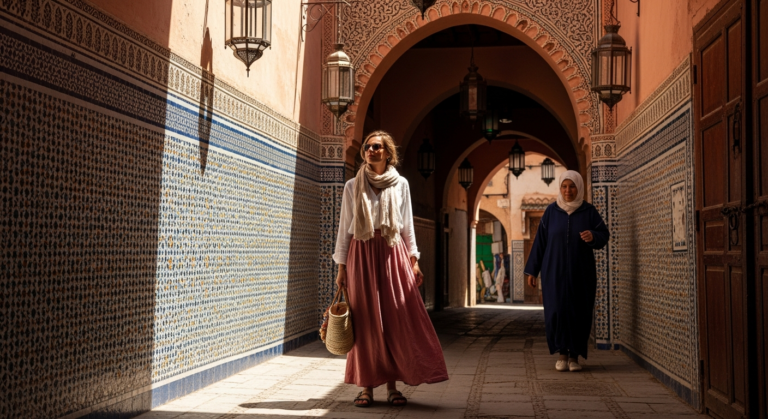
Respecting Moroccan culture during Ramadan requires extra awareness. Dress modestly — women should cover shoulders and knees; men should avoid shorts in medinas and rural areas. This applies throughout the year but carries added weight during the holy month. Loud behavior, public displays of affection, and alcohol consumption in non-licensed venues are all especially sensitive during Ramadan.
Furthermore, engaging respectfully with locals can lead to extraordinary connections. A simple *”Ramadan Mubarak”* (Blessed Ramadan) in greeting earns genuine warmth. Many Moroccans appreciate that foreigners understand and honor their traditions. That single phrase often opens doors — sometimes literally — to a family home and an Iftar invitation.
—
What to Eat and Where During Ramadan
The Iconic Iftar Spread
The Moroccan Iftar table is a cultural landmark in itself. Every meal begins with dates and water, followed by harira — a rich tomato and lentil soup with herbs. Chebakia (honey-fried sesame pastries) and sellou (a dense nut-flour sweet) are traditional companions. Freshly squeezed juices, rghaif (Moroccan flatbread), and hard-boiled eggs complete the standard spread.
Many riads offer guests a traditional Iftar dinner for approximately 150–250 MAD ($14–23 USD) per person. This is not only excellent value — it is an unmissable cultural experience. Booking in advance is strongly recommended, as demand increases significantly as Ramadan progresses.
Suhoor: The Pre-Dawn Meal
Suhoor occurs roughly 90 minutes before the Fajr call to prayer. Many Moroccan families eat dates, bread, olive oil, and amlou (almond-argan butter paste). As a traveler, you likely won’t participate directly. However, some riads cater early breakfast options. Experiencing the quiet streets at 4 AM during Suhoor is hauntingly beautiful — an eerie, intimate side of Morocco that daylight never shows.
—
Cost of Travel During Ramadan
Ramadan remains one of the most budget-friendly times to visit Morocco. Reduced tourist numbers mean lower accommodation rates in many cities. Below is a general cost comparison based on 2024–2025 data.
| Expense Category | Regular Season | Ramadan Season |
|—|—|—|
| Riad (mid-range, per night) | $70–$120 | $50–$90 |
| Flight (Europe–Marrakech) | $120–$250 | $90–$200 |
| Guided day tour | $40–$60 | $30–$50 |
| Iftar dinner (riad) | N/A | $14–$23 |
| Souvenir/medina shopping | Standard | Some discounts available |
Notably, airlines serving Morocco — including Royal Air Maroc and Ryanair — show up to 20% lower average fares during mid-Ramadan periods compared to peak March travel windows.
—
Top Destinations During Ramadan
Fes: The Spiritual Capital
Fes is arguably Morocco’s most atmospheric city during Ramadan. The ancient medina — a UNESCO World Heritage Site — deepens in mystery and light after dark. Locals gather around the Bou Inania Madrasa for evening prayers. The sound of Tarawih recitations carries across rooftops. Fes during Ramadan nights offers an almost medieval sensory journey.
Marrakech: Vibrant But Tourist-Friendly
Marrakech retains more tourist infrastructure during Ramadan than smaller cities. Jemaa el-Fna square remains partially operational, with food stalls opening at Iftar. The famous souks still trade in the mornings. However, the city’s energy shifts notably after 8 PM, when locals take over the square in a way that no other season allows foreign visitors to witness.
Chefchaouen and Essaouira: Quieter Gems
Both Chefchaouen and Essaouira offer calm, meditative Ramadan experiences. Chefchaouen’s blue streets glow under lantern light during the evening. Essaouira’s Atlantic breeze and quieter streets make it ideal for reflective travel. These cities are especially recommended for solo travelers and those seeking deeper cultural immersion without the Marrakech crowds.
—
Expert Analysis: Should You Visit During Ramadan?
Travel researchers and Morocco specialists consistently note that Ramadan travel requires flexibility — but rewards it generously. Dr. Asmaa Benali, a Moroccan cultural tourism researcher at Mohammed V University, states:
> *”Visitors who approach Ramadan with curiosity rather than inconvenience consistently report it as their most meaningful travel experience in Morocco.”*
A 2023 survey by the Moroccan National Tourism Office found that 67% of tourists who visited during Ramadan rated their cultural experience as “excellent”, compared to 54% during non-Ramadan peak seasons. The immersive nature of the holy month simply cannot be manufactured.
—
FAQs: Visiting Morocco During Ramadan
Q1: Are tourist attractions open during Ramadan?
Yes, most major tourist sites remain open. Hours may shift slightly, but palaces, medinas, and museums largely maintain access throughout Ramadan.
Q2: Can I find food during the day in Morocco?
Tourist restaurants and riads generally serve food. Local cafés and street food vendors are often closed until Iftar. Plan your meals in advance.
Q3: Is it safe to travel to Morocco during Ramadan?
Yes. Morocco is consistently rated among North Africa’s safest destinations. Ramadan does not increase safety risks for travelers.
Q4: What should I wear during Ramadan in Morocco?
Dress modestly. Cover shoulders and knees, especially in medinas and religious areas. This shows cultural respect and is appreciated by locals.
Q5: Can I drink alcohol during Ramadan in Morocco?
Alcohol is available in licensed hotels and Western-oriented restaurants. Public drinking during Ramadan is highly inappropriate and should be avoided entirely.
Q6: What is the best Moroccan city to visit during Ramadan?
Fes offers the most authentic spiritual atmosphere. Marrakech provides more tourist convenience. Both are excellent, depending on your travel style.
—
Conclusion
Visiting Morocco during Ramadan is not for the rigid traveler. It demands flexibility, cultural sensitivity, and genuine curiosity. In return, it offers something rare: access to a country’s truest self. The lantern-lit streets, the communal Iftar tables, the sound of prayers drifting over ancient walls — these are not tourist attractions. They are moments of authentic human connection. With proper preparation, modest behavior, and an open heart, Ramadan Morocco rewards every traveler with memories that outlast any postcard.
Plan ahead, book your riad early, learn a few Arabic phrases, and arrive ready to witness Morocco at its most honest and beautiful.
—
References
– Moroccan National Tourism Office (ONMT) — [www.visitmorocco.com](https://www.visitmorocco.com) — official travel guidance and seasonal data.
– Mohammed V University, Rabat — Cultural tourism research publications, 2023.
– TripAdvisor Morocco Traveler Reviews — Aggregated traveler insights, 2023–2024.
– Royal Air Maroc Official Website — [www.royalairmaroc.com](https://www.royalairmaroc.com) — flight and seasonal pricing data.
– Pew Research Center — “The Global Muslim Population” — demographic statistics for Morocco, 2023.
– UNESCO World Heritage List — Medina of Fez designation and cultural significance, updated 2024.