Your Complete Sahara Desert Travel Guide
Introduction
Few destinations on Earth command the imagination quite like the Sahara. Stretching across 11 countries and covering approximately 9.2 million square kilometers, it is the world’s largest hot desert. Every year, thousands of travelers dream of crossing its iconic dunes. Yet many arrive underprepared and leave disappointed — or worse, in danger. This ultimate guide to visiting the Sahara Desert gives you everything you need: best entry points, ideal seasons, costs, safety protocols, cultural etiquette, and expert recommendations. Whether you are planning a quick three-day escape from Marrakech or a two-week deep-desert expedition, this resource will help you travel smarter, safer, and more meaningfully.
—
Key Takeaways
– 🗓️ Best time to visit: October through April for manageable temperatures
– 💰 Budget range: $150–$600+ per day depending on comfort level
– 🧭 Top entry points: Merzouga (Morocco), Douz (Tunisia), Djanet (Algeria)
– 🐪 Must-do experience: Overnight camel trek and bivouac under the stars
– 🌡️ Temperature extremes: From -4°C at night to 50°C+ during summer days
– 🛡️ Safety priority: Always travel with a licensed local guide
—
Understanding the Sahara Desert
Geography and Scale
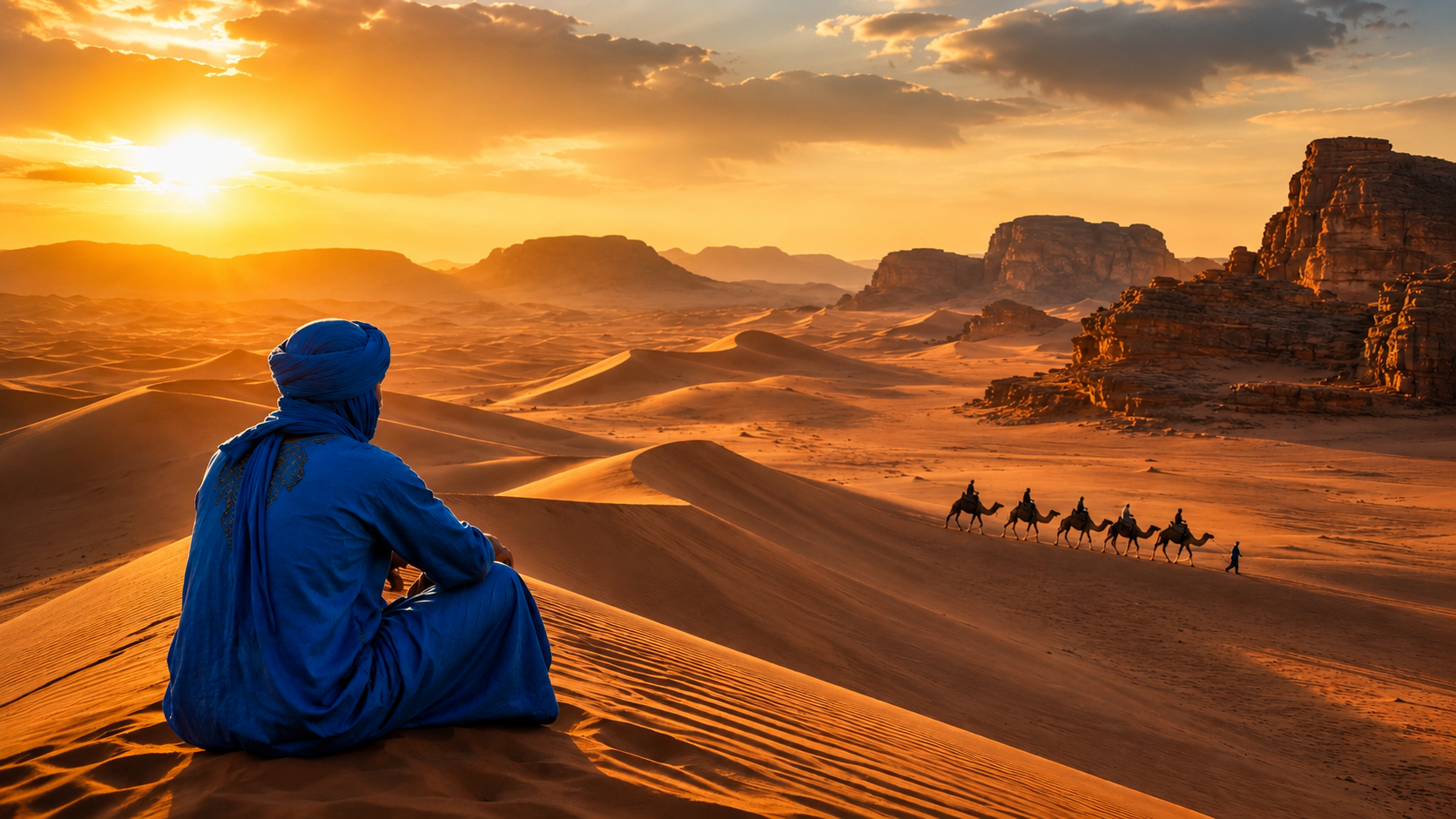
The Sahara is not simply sand. In fact, only about 25% of its surface consists of the iconic ergs — vast seas of sculpted dunes. The remaining 75% includes rocky plateaus, gravel plains, and dry salt flats. It spans from the Atlantic coast of Mauritania eastward to the Red Sea coast of Sudan and Egypt. This enormous geographic diversity means each entry point offers a radically different experience. The Algerian Sahara features towering Tassili n’Ajjer rock formations. Morocco’s Erg Chebbi near Merzouga presents the classic postcard scenery. Understanding which section you are visiting allows you to set accurate expectations and pack appropriately.
Climate Realities
The Sahara’s climate is extreme and unforgiving. Summer daytime temperatures regularly surpass 45°C (113°F) in many regions. Conversely, winter nights can plunge below freezing. Humidity averages below 25% year-round, causing rapid dehydration. Annual rainfall in most areas is under 25mm — qualifying it as hyperarid. Strong desert winds, known locally as the *sirocco* or *harmattan*, can trigger sudden sandstorms with little warning. Travelers who underestimate these conditions face genuine life-threatening risks. According to the World Meteorological Organization, the highest reliably recorded air temperature on Earth — 55°C — was measured in Kebili, Tunisia, inside the Sahara region in 1931.
—
Best Time to Visit the Sahara Desert
The Ideal Window: October to April
| Month | Avg. Daytime Temp | Avg. Night Temp | Visitor Suitability |
|——-|——————-|—————–|———————|
| October | 28°C (82°F) | 14°C (57°F) | ✅ Excellent |
| November | 22°C (72°F) | 8°C (46°F) | ✅ Excellent |
| December | 18°C (64°F) | 3°C (37°F) | ✅ Good |
| January | 16°C (61°F) | 1°C (34°F) | ✅ Good (cold nights) |
| February | 20°C (68°F) | 4°C (39°F) | ✅ Good |
| March | 26°C (79°F) | 10°C (50°F) | ✅ Excellent |
| April | 32°C (90°F) | 16°C (61°F) | ⚠️ Warm but manageable |
| May–September | 40–50°C+ | 25–35°C | ❌ Dangerous for most travelers |
October, November, and March are widely considered the sweet spot. Days remain warm but walkable. Nights are crisp and ideal for stargazing. Furthermore, desert wildlife is far more active during these cooler months. If you plan to visit during December or January, pack a quality sleeping bag rated to -5°C — temperatures plummet dramatically after sunset.
—
Top Sahara Entry Points
Morocco: Merzouga and Erg Chebbi
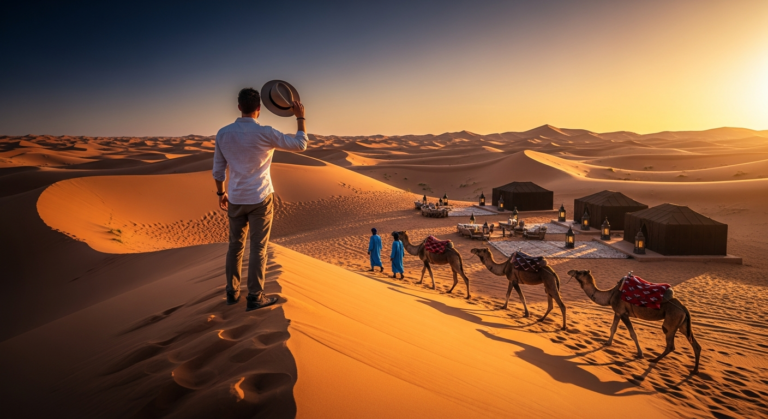
Merzouga remains the most accessible Sahara entry point globally. It sits roughly 50 kilometers from the Algerian border. Erg Chebbi’s dunes rise up to 150 meters — some of Africa’s tallest. Flights into Marrakech, followed by a scenic 9–10 hour drive or domestic flight to Errachidia, connect most international travelers efficiently. Organized three-day tours from Marrakech average $200–$350 per person, including transport, meals, camel trekking, and a desert bivouac. Solo travelers can reach Merzouga by CTM bus for roughly $15–$20 USD from major Moroccan cities.
Tunisia: Douz and the Grand Erg Oriental
Tunisia offers an underrated desert experience. Douz, often called “The Gateway to the Sahara,” hosts the famous annual International Festival of the Sahara each November. This event celebrates traditional Berber culture through camel racing, poetry, and music. From Tunis, a bus to Douz costs approximately $12–$18 USD. Organized three-day desert tours from Douz average $180–$320 per person. The surrounding Grand Erg Oriental offers dramatic dune landscapes and significantly fewer tourists than Morocco, making it ideal for photography and solitude seekers.
Algeria: Tamanrasset and Djanet
Algeria’s Sahara is the most remote, most dramatic, and most rewarding for serious adventurers. The Ahaggar Mountains and Tassili n’Ajjer National Park — a UNESCO World Heritage Site — feature prehistoric rock art dating back 12,000 years. Access requires advanced planning. Tourists must obtain an Algerian visa and a special desert travel permit. Flights to Tamanrasset from Algiers cost approximately $80–$140 USD one way. Guided expeditions here range from $400–$800 per person per day for all-inclusive 4WD adventures. This region is strictly for well-prepared, experienced desert travelers.
—
Essential Packing List
Clothing and Sun Protection
> *”The desert doesn’t care about your bravado. It only respects preparation.”*
> — Hassan Ait Brahim, Berber desert guide with 22 years of experience
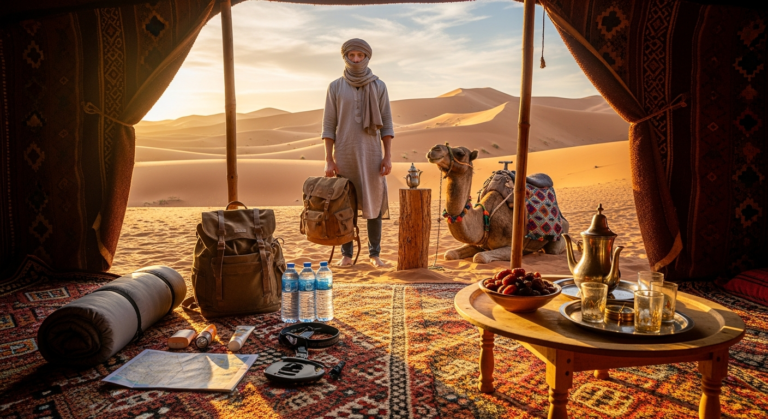
Dress in lightweight, loose-fitting, long-sleeved clothing. Linen and moisture-wicking synthetic fabrics outperform cotton in arid environments. A high-quality keffiyeh or shemagh — the traditional desert headscarf — costs $8–$25 and protects your face and neck from sun and sand. Pack a minimum SPF 50 sunscreen. High-altitude UV radiation in the Sahara is significantly stronger than coastal regions. Additionally, bring quality UV-blocking sunglasses rated to block 99–100% of both UVA and UVB rays. Eye protection is non-negotiable in sandstorm conditions.
Water and Nutrition
Hydration is your single most critical survival factor in the Sahara. Experts recommend consuming a minimum of 4–6 liters of water per day during active desert travel. Carry a personal water purification system as a backup. High-energy snacks — dates, nuts, dried fruit — provide portable and culturally appropriate fuel. Dates have sustained desert travelers for centuries and contain roughly 282 calories per 100g. Avoid alcohol entirely during your desert stay — it dramatically accelerates dehydration. Electrolyte tablets or sachets help replace salts lost through heavy sweating.
| Essential Item | Purpose | Estimated Cost |
|—————-|———|—————-|
| Shemagh/Keffiyeh | Sun & sand protection | $8–$25 |
| SPF 50+ Sunscreen | UV protection | $10–$20 |
| Electrolyte Sachets | Hydration balance | $5–$15 (pack) |
| Sleeping bag (-5°C) | Cold night insulation | $40–$120 |
| Headlamp + batteries | Nighttime navigation | $15–$35 |
| Dust-proof camera bag | Equipment protection | $20–$60 |
| Personal water filter | Emergency purification | $25–$80 |
—
Safety and Health in the Sahara
Health Risks and Precautions
Heat exhaustion and heatstroke are the primary medical threats. Symptoms of heatstroke include confusion, rapid pulse, and loss of consciousness — requiring immediate cooling and evacuation. Always inform your guide of any pre-existing medical conditions before departing. Moreover, travelers should carry a basic first-aid kit including antihistamines, antiseptic wipes, and blister treatment. Scorpions are present across the Sahara — always shake out shoes and clothing before dressing. The Androctonus australis, common in North Africa, carries a medically significant venom. Travel insurance with emergency medical evacuation coverage is absolutely essential for desert trips.
Navigating Political Considerations
Sahara travel safety varies significantly by country and region. Morocco’s tourist zones are well-managed and considered low risk. Algeria requires careful route planning. Libya and parts of Mali and Niger remain strongly discouraged due to active security threats, per multiple 2025–2026 government travel advisories. Always check your government’s official travel advisory before booking. The UK Foreign Office, US State Department, and Australian DFAT all maintain regularly updated Sahara region advisories. Booking through reputable, licensed operators dramatically reduces your exposure to scams and unsafe guides.
—
Cultural Etiquette and Responsible Tourism
Respecting Berber and Tuareg Communities
The Sahara is home to millions of people — primarily Berber, Tuareg, and Arab communities — whose rich cultures deserve deep respect. When visiting desert communities, dress modestly. Women should cover shoulders and knees. Always ask permission before photographing individuals. Bringing small, practical gifts — school supplies, quality tea, or dried foods — is culturally appropriate and appreciated. Avoid purchasing or removing fossils, rocks, or any natural artifacts. In Algeria’s Tassili n’Ajjer, removing artifacts carries significant legal penalties. Support local economies by buying authentic handmade crafts directly from artisans rather than mass-produced tourist shops.
—
FAQs
Q: How many days do I need for a Sahara Desert trip?
A minimum of three days allows a genuine immersive experience. Five to seven days gives broader exploration.
Q: Is the Sahara Desert safe for solo female travelers?
Morocco and Tunisia are generally manageable with proper precautions and reputable guide companies. Research thoroughly beforehand.
Q: What languages are spoken in the Sahara?
Arabic, Tamazight (Berber), Tamahaq (Tuareg), and French are widely spoken across various regions.
Q: Can I visit the Sahara on a budget?
Yes. Budget travelers can manage on $80–$120 per day using public transport and local guesthouses in Morocco or Tunisia.
Q: Do I need vaccinations before visiting?
Hepatitis A and typhoid vaccines are recommended. Check regional requirements, as recommendations vary by country of entry.
Q: What currency should I carry?
Moroccan Dirham (MAD), Tunisian Dinar (TND), or Algerian Dinar (DZD) depending on your destination. US dollars and euros are exchangeable in most gateway cities.
—
Conclusion
The Sahara Desert rewards those who prepare thoroughly and approach it with genuine respect. It is a living, breathing ecosystem — not a backdrop for a selfie. From Morocco’s golden Erg Chebbi to Algeria’s ancient Tassili rock art, each corner of the Sahara offers a profoundly different story. Plan your visit between October and April. Hire a licensed local guide without exception. Carry more water than you think you need. Respect the communities and landscapes you encounter. When you do, the Sahara will reveal itself as one of the most transformative travel experiences on Earth. Few journeys change a person the way a night under the Saharan stars can. Go prepared. Go respectful. And go soon.
—
References
– World Meteorological Organization — Global temperature records and desert climate data. [wmo.int](https://wmo.int)
– UNESCO World Heritage Centre — Tassili n’Ajjer National Park profile. [whc.unesco.org](https://whc.unesco.org)
– US State Department — Country-specific travel advisories for Saharan nations. [travel.state.gov](https://travel.state.gov)
– UK Foreign, Commonwealth & Development Office — Sahara region safety updates. [gov.uk/foreign-travel-advice](https://www.gov.uk/foreign-travel-advice)
– Australian DFAT — Travel advisories for North and West Africa. [smartraveller.gov.au](https://www.smartraveller.gov.au)
– National Geographic Society — Desert ecology and Sahara geography data. [nationalgeographic.com](https://www.nationalgeographic.com)