Morocco’s Best Beaches: Your Complete 2026 Guide
Introduction
Morocco is not just about ancient medinas and Sahara dunes. Its coastline stretches over 3,500 kilometers, offering some of the most diverse and stunning beaches in the world. Whether you are drawn to Atlantic surf or calm Mediterranean coves, the best beaches in Morocco cater to every type of traveler. This guide will walk you through the top coastal destinations, practical costs, insider tips, and expert insights — so you can plan your perfect Moroccan beach escape with confidence.
—
Key Takeaways
– Morocco has 3,500+ km of coastline spanning Atlantic and Mediterranean shores.
– Top beaches include Agadir, Essaouira, Legzira, Taghazout, and Al Hoceima.
– Budget travelers can enjoy beach towns from as little as $30/day.
– The best visiting months are April–June and September–October.
– Morocco offers world-class surfing, snorkeling, and eco-tourism experiences.
– Cultural etiquette matters — modest swimwear is advised outside resort areas.
—
Why Morocco’s Coastline Surprises Everyone
Most travelers arrive in Morocco expecting only desert and medinas. Yet, the coastline consistently ranks among Africa’s most underrated coastal destinations. According to the Moroccan National Tourism Office (ONMT), beach tourism grew by 18% in 2024, with over 4.2 million coastal visitors recorded. Furthermore, the country’s dual-coast geography creates a remarkable variety of beach environments. The Atlantic side delivers powerful waves and dramatic cliffs. The Mediterranean side, meanwhile, offers calmer, clearer waters ideal for snorkeling. This geographic diversity gives Morocco a rare competitive edge among global beach destinations.
—
Top Beaches in Morocco: A Detailed Overview
1. Agadir Beach — Morocco’s Premier Resort Destination
Agadir is Morocco’s most developed beach city. Its 10-kilometer crescent-shaped bay features golden sand, calm waters, and a well-established tourist infrastructure. Average daily costs range from $50 to $120, depending on accommodation choices. The beachfront promenade is lined with seafood restaurants, beach clubs, and hotels. Agadir receives approximately 300 sunny days per year, making it reliable year-round. Families and couples particularly favor it for its safety, cleanliness, and modern amenities. Surf schools operate along the southern end, offering beginner lessons from $25 per session.
> *”Agadir is Morocco’s answer to the Algarve — sunny, polished, and incredibly welcoming to international visitors.”* — Travel + Leisure Africa, 2024
—
2. Essaouira — The Windswept Atlantic Jewel
Essaouira is a UNESCO-listed coastal city famous for constant Atlantic winds. These winds make it one of Africa’s top kitesurfing and windsurfing destinations. The beach stretches for approximately 5 kilometers, flanked by a striking 18th-century rampart. Essaouira’s medina and beach blend seamlessly, creating a uniquely bohemian atmosphere. Average accommodation costs range from $40 to $90 per night. Temperatures remain moderate year-round, rarely exceeding 28°C (82°F). The annual Gnaoua World Music Festival transforms the beachfront every June, attracting over 500,000 visitors. This combination of culture and coast makes Essaouira genuinely one-of-a-kind.
—
3. Legzira Beach — Morocco’s Natural Arch Wonder
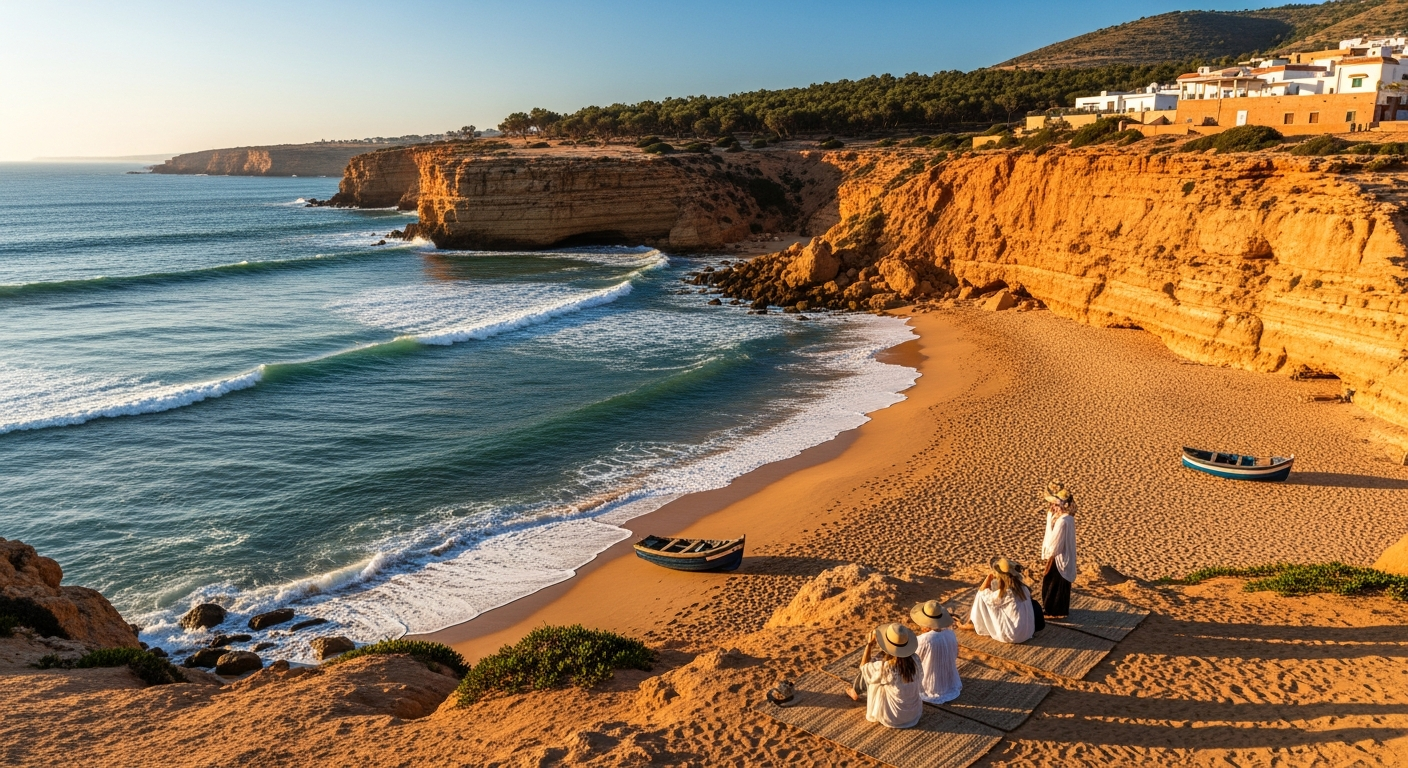
Legzira, near the town of Sidi Ifni in southern Morocco, is arguably the country’s most visually dramatic beach. Its signature red rock arches rise directly from the ocean, creating a scene that appears almost fictional. The beach is relatively undeveloped, preserving its raw, natural character. Access requires a short descent from a clifftop parking area. Local guesthouses nearby charge as little as $20 to $35 per night. Photographers and nature lovers consistently rate it among Morocco’s most extraordinary coastal sites. Visiting at low tide allows exploration beneath the arches for the most dramatic experience.
—
4. Taghazout — Surfer’s Paradise North of Agadir
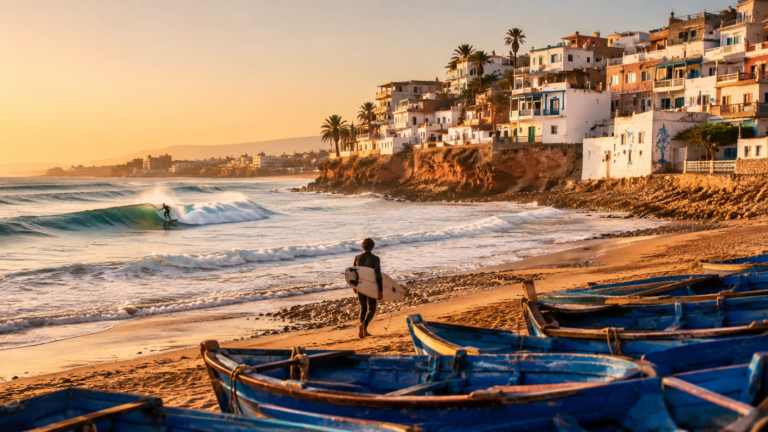
Taghazout is a small fishing village that evolved into a globally recognized surf destination. Located 20 kilometers north of Agadir, it attracts experienced surfers from Europe, Australia, and North America. Waves at breaks like Anchor Point and Hash Point can reach 4 to 6 meters during peak winter swells. Surf camp packages typically cost between $300 and $700 per week, including accommodation and lessons. The village retains much of its authentic character, with local cafés and small riads lining narrow streets. Beyond surfing, yoga retreats and wellness centers have grown significantly here since 2022, broadening Taghazout’s appeal considerably.
—
5. Al Hoceima — The Mediterranean Hidden Gem
Al Hoceima sits within the Rif Mountain coastline in northeastern Morocco, along the Mediterranean. Its turquoise water clarity rivals popular spots in Greece and Croatia. The Al Hoceima National Park protects surrounding marine ecosystems, making it an exceptional eco-tourism destination. Snorkeling and diving are exceptional, with visibility exceeding 20 meters on calm days. Budget-friendly guesthouses charge around $25 to $55 per night. Al Hoceima remains significantly less commercialized than Atlantic resorts, preserving a genuinely authentic Moroccan atmosphere. It is best visited between June and September for optimal weather and sea conditions.
—
6. Oualidia — Lagoon Beach and Seafood Paradise
Oualidia is Morocco’s most distinctive lagoon beach, located between El Jadida and Essaouira. Its sheltered natural lagoon creates ideal conditions for swimming, kayaking, and flamingo watching. The town is also Morocco’s oyster capital, producing highly sought-after Atlantic oysters served fresh at local shacks for as little as $6 per dozen. Boutique guesthouses and eco-lodges average $60 to $130 per night. Oualidia attracts a quieter, more discerning traveler seeking peace over party atmosphere. Several international chefs specifically visit to source the region’s premium seafood. It remains one of Morocco’s best-kept coastal secrets for good reason.
—
Morocco Beach Comparison Table
| Beach | Coastline | Best For | Avg. Cost/Night | Best Season |
|—|—|—|—|—|
| Agadir | Atlantic | Families, Resorts | $50–$120 | Year-round |
| Essaouira | Atlantic | Kitesurfing, Culture | $40–$90 | Mar–Nov |
| Legzira | Atlantic | Photography, Nature | $20–$35 | Apr–Oct |
| Taghazout | Atlantic | Surfing, Wellness | $35–$80 | Oct–Mar |
| Al Hoceima | Mediterranean | Snorkeling, Eco-Tourism | $25–$55 | Jun–Sep |
| Oualidia | Atlantic Lagoon | Relaxation, Seafood | $60–$130 | Apr–Oct |
—
Expert Insight: What Makes Morocco’s Beaches Unique?
Dr. Fatima Benali, a coastal geography researcher at Mohammed V University, Rabat, explains:
> *”Morocco’s beaches benefit from an extraordinary meeting point of Atlantic currents, Saharan winds, and Mediterranean influences. This creates microenvironments found nowhere else in the world. Every stretch of coastline has its own personality, ecology, and cultural identity.”*
Additionally, Morocco’s strategic investment in coastal tourism infrastructure is noteworthy. The Morocco 2030 Vision national tourism strategy allocates over $2.4 billion toward sustainable coastal development. This includes new eco-resorts, improved access roads, and marine conservation programs along all major beach zones.
—
Practical Tips for Visiting Morocco’s Beaches
Planning well transforms a good beach trip into an exceptional one. Here are essential practical considerations every traveler should know before visiting.
💡 Key Practical Advice:
– ✅ Best months to visit: April–June and September–October for ideal weather.
– ✅ Currency: Moroccan Dirham (MAD). 1 USD ≈ 10 MAD (2025 rate).
– ✅ Transport: Renting a car is strongly recommended for coastal exploration — approximately $30–$50/day.
– ✅ Dress code: Modest attire outside hotel beach areas is both respectful and culturally appropriate.
– ✅ Water safety: Swim only at lifeguarded sections, particularly on the Atlantic coast due to strong currents.
– ✅ Food budget: Fresh seafood meals at local restaurants average $8–$15 per person.
—
Traveler Testimonial
*”We spent two weeks driving Morocco’s Atlantic coast from Essaouira down to Legzira. The diversity genuinely shocked us — from surf towns to wild cliffs to tranquil lagoons. Nothing compared to what we expected. Morocco’s coast is wildly underrated.”*
— James and Sophie R., UK travelers, Tripadvisor, October 2024
—
FAQs
What is the best beach in Morocco for families?
Agadir is the top family-friendly choice. It offers calm waters, a wide sandy bay, lifeguards, and modern hotel facilities suitable for all ages.
When is the best time to visit Moroccan beaches?
April to June and September to October offer the best balance of warm temperatures, calmer seas, and fewer crowds. July and August can be extremely hot and overcrowded.
Is Morocco safe for beach travel?
Yes, Morocco is generally safe for tourists. Coastal cities are well-patrolled. Standard precautions, such as securing valuables and swimming in designated areas, are advisable.
What currency do I need at Moroccan beaches?
The Moroccan Dirham (MAD) is the local currency. Most beach resorts and tourist areas also accept euros and credit cards, though carrying some cash is recommended.
Can I surf as a beginner in Morocco?
Absolutely. Taghazout and Agadir both offer beginner-friendly surf schools with professional instructors. Lessons start from approximately $25 per session.
Are Morocco’s beaches clean?
Quality varies. Agadir, Oualidia, and Al Hoceima maintain notably high cleanliness standards. More remote beaches like Legzira are naturally preserved. Always check local beach ratings before visiting.
—
Conclusion
Morocco’s coastline is one of the world’s most underappreciated beach destinations. From the surf-pounded Atlantic shores of Taghazout and Essaouira to the crystal-clear Mediterranean waters of Al Hoceima, the diversity is genuinely remarkable. Whether your budget is modest or generous, Morocco offers exceptional coastal experiences at every price point. The country’s ongoing investment in sustainable tourism through the Morocco 2030 Vision ensures these destinations will only improve in coming years. Plan your visit during shoulder seasons, respect local customs, and explore beyond the well-known resorts — Morocco’s best beach moments are often found where the crowds are not.
—
References
– Moroccan National Tourism Office (ONMT) — [www.visitmorocco.com](https://www.visitmorocco.com)
– UNESCO World Heritage — Essaouira listing and coastal heritage data.
– Travel + Leisure Africa — “Morocco’s Coastal Rise,” 2024 edition.
– Mohammed V University, Rabat — Coastal Geography Department research publications.
– Morocco 2030 National Tourism Strategy — Official government tourism roadmap document.
– Tripadvisor — User reviews and traveler ratings for Moroccan beaches, 2024–2025.