Best Moroccan Souvenirs to Buy in 2026
Introduction
Morocco is a traveler’s paradise for authentic, handcrafted treasures. However, knowing what to buy — and where — can be genuinely overwhelming. Busy medinas, crowded souks, and hundreds of stalls compete for your attention and budget. This guide cuts through the noise. Whether you are shopping in Marrakech, Fès, or Essaouira, understanding the best Moroccan souvenirs to buy will save you time, money, and regret. You will discover which products are truly authentic, what fair prices look like, and how to choose quality items over tourist traps. From argan oil to hand-woven rugs, each recommendation here is grounded in cultural significance, artisan craftsmanship, and long-term value.
—
🗝️ Key Takeaways
– Argan oil remains Morocco’s most globally recognized and valued export souvenir.
– Handmade ceramics from Fès and Safi are distinctive, affordable, and widely available.
– Leather goods from the famous Chouara tannery are iconic but require careful quality checks.
– Berber rugs and kilims represent serious investment pieces with lasting cultural value.
– Moroccan spices and tea offer affordable, lightweight gifts suitable for every traveler.
– Always negotiate prices in souks — initial quotes are typically 2x to 3x the fair value.
—
1. Argan Oil — Morocco’s Liquid Gold
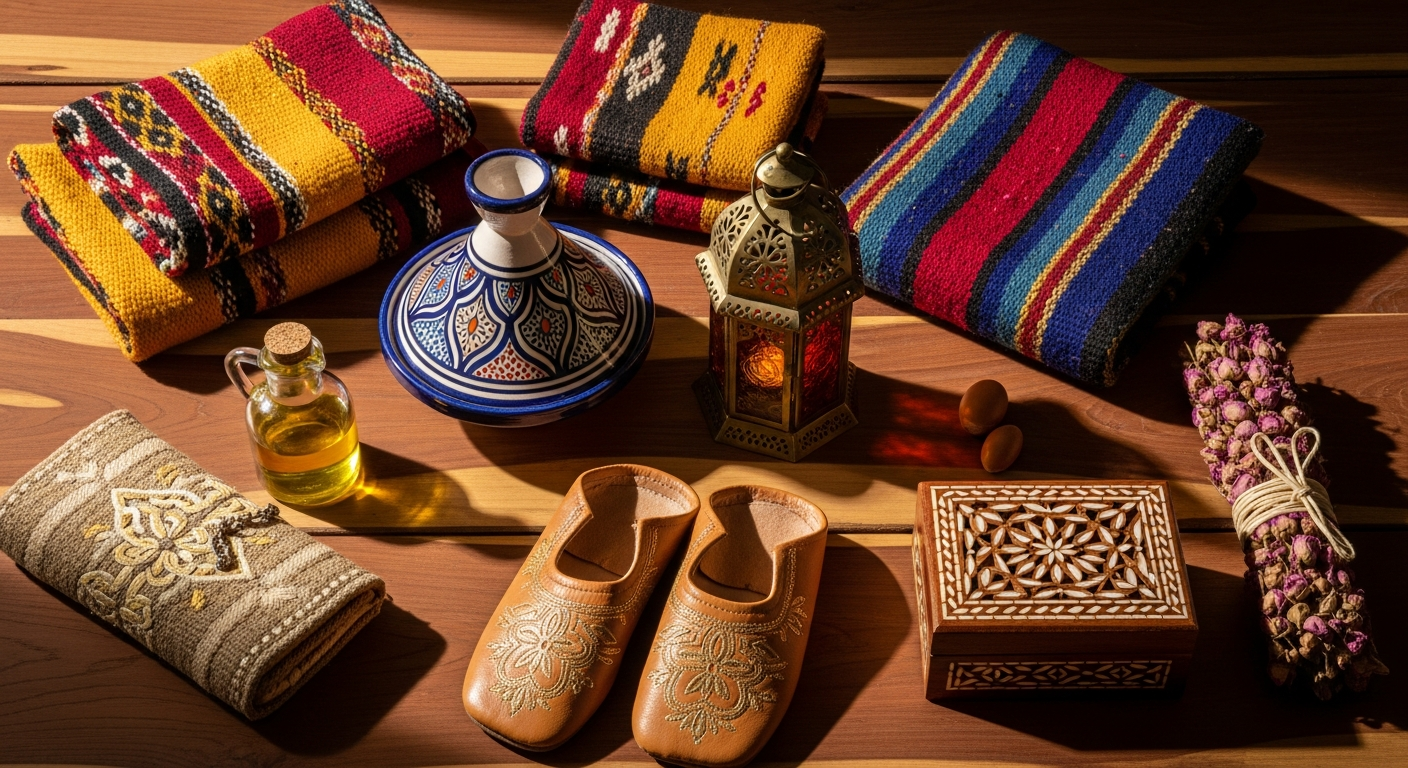
Argan oil is arguably Morocco’s most prized export. Produced exclusively in the Souss-Massa region of southwestern Morocco, this oil is pressed from the nuts of the *Argania spinosa* tree. It carries UNESCO recognition for the traditional knowledge surrounding its production. Pure culinary argan oil sells for approximately 150–300 MAD ($15–30 USD) per 100ml in cooperatives. Cosmetic-grade argan oil is similarly priced. Critically, buy directly from certified women’s cooperatives to ensure authenticity and ethical sourcing. Avoid suspiciously cheap bottles sold near tourist entrances. According to Morocco’s Ministry of Agriculture, argan oil exports reached 6,800 tonnes in 2023, reflecting massive global demand.
—
2. Handmade Moroccan Ceramics
Moroccan ceramics are among the most visually stunning crafts available. The city of Fès is the undisputed capital, producing zellige (mosaic tilework) and hand-painted pottery with centuries of tradition. Safi is also a major production hub. A hand-painted tagine typically costs between 80 and 250 MAD ($8–25 USD), depending on size and complexity of design. Decorative plates, bowls, and tea sets are equally popular. Look for pieces with consistent brushwork, smooth glazing, and clean base edges — signs of skilled craftsmanship. Avoid items with uneven drips or faded paint. As ceramics expert Hassan Ziani notes: *”Authentic Fès pottery carries centuries of geometry in every brushstroke.”*
—
3. Leather Goods from the Chouara Tannery
Fès is home to the world-famous Chouara Tannery, one of the oldest in existence, dating back to the 11th century. Leather goods produced here include babouche slippers, bags, belts, wallets, and jackets. Prices vary considerably. A pair of authentic babouche slippers costs 150–400 MAD ($15–40 USD). A quality leather bag ranges from 500 to 2,000 MAD ($50–200 USD). Always inspect stitching carefully and confirm the leather is full-grain rather than split or bonded. Notably, genuine Moroccan leather has a distinctive earthy, slightly smoky scent. Tannery-adjacent shops often inflate prices aggressively. Negotiating firmly and comparing across multiple stalls is strongly advised.
| Leather Item | Average Price (MAD) | Average Price (USD) |
|—|—|—|
| Babouche Slippers | 150–400 | $15–40 |
| Small Leather Wallet | 80–200 | $8–20 |
| Leather Shoulder Bag | 500–1,200 | $50–120 |
| Full Leather Jacket | 1,500–3,500 | $150–350 |
—
4. Berber Rugs and Kilims
Berber rugs represent one of Morocco’s most prestigious handicraft traditions. Woven by Amazigh (Berber) women, each rug tells a story through its symbols and patterns. Beni Ourain rugs — thick, ivory wool with geometric black lines — have become globally fashionable, frequently appearing in Scandinavian and minimalist interior design. Prices start around 1,500 MAD ($150 USD) for small rugs and can exceed 8,000 MAD ($800 USD) for large, premium pieces. Meanwhile, flat-woven kilims are more affordable, starting near 400 MAD ($40 USD). Travel writer Leila Fassi advises: *”Never rush a rug purchase. Examine the knot density, ask about the wool source, and always unroll the full piece before committing.”*
—
5. Moroccan Spices and Ras El Hanout
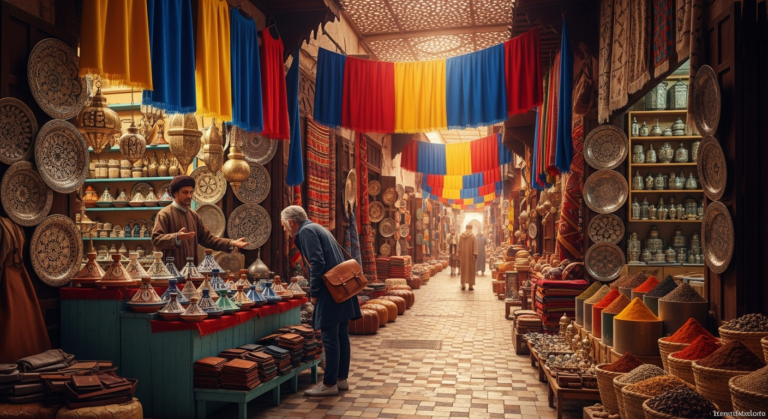
Moroccan spice markets are a feast for the senses — and for your kitchen. Ras el hanout, the signature Moroccan spice blend, contains up to 30 individual spices, including cumin, coriander, ginger, cinnamon, and rose petals. A 200g bag of quality ras el hanout costs approximately 30–60 MAD ($3–6 USD). Other notable buys include saffron (genuine Moroccan saffron from Taliouine costs around 120–200 MAD per gram), dried rose petals, argan honey, and preserved lemons. Purchase spices from established medina vendors rather than airport shops, where prices inflate significantly. Lightweight and TSA-friendly, spices make ideal gifts for food lovers back home.
| Spice/Product | Quantity | Average Price (MAD) |
|—|—|—|
| Ras el Hanout | 200g | 30–60 |
| Moroccan Saffron | 1g | 120–200 |
| Dried Rose Petals | 100g | 20–40 |
| Argan Honey | 250g jar | 80–150 |
—
6. Moroccan Lanterns and Brasswork
Moroccan brass and copper lanterns are iconic decorative pieces that instantly transform any interior. Handcrafted in Marrakech’s metalworking district, these lanterns feature intricate pierced patterns that cast mesmerizing shadows. A medium-sized brass lantern typically costs 200–600 MAD ($20–60 USD). Larger floor lanterns range from 600 to 2,000 MAD. Additionally, brass teapots, trays, and incense burners are popular and practical choices. Quality indicators include even hammering texture, smooth hinge movement, and clean soldering joints. *”Moroccan metalwork represents an unbroken craft lineage spanning over 800 years,”* notes artisan researcher Dr. Fatima Ouali. Shipping larger lanterns internationally is feasible but adds approximately $30–80 in freight costs.
—
7. Moroccan Tea Sets and Mint Tea Culture
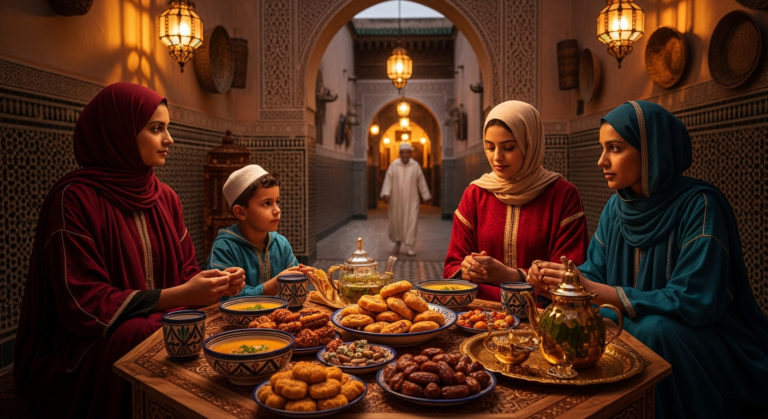
Moroccan mint tea — known as *atay* — is deeply embedded in national identity. A complete Moroccan tea service, including a silver-plated teapot, engraved tray, and six decorative glasses, costs between 300 and 800 MAD ($30–80 USD) in the medina. Hand-painted tea glasses alone sell for 10–25 MAD each ($1–2.50 USD). These sets make elegant, culturally meaningful gifts that are easy to pack. Furthermore, Moroccan argan tea and traditional loose-leaf mint tea bags are growing in popularity as souvenir foods. Buyingcomplete sets from silversmith cooperatives rather than generic souvenir shops ensures better quality and supports local artisans directly.
—
8. Hand-Woven Textiles and Caftans
Moroccan textiles reflect extraordinary skill and regional diversity. Handira blankets — traditional wedding blankets from the Middle Atlas mountains — feature sequins sewn onto natural wool and have gained enormous international interior design appeal. A genuine handira costs 800–2,500 MAD ($80–250 USD), depending on age and condition. Additionally, Moroccan caftans — elegantly embroidered robes worn during celebrations — are available in silk, cotton, and linen varieties. Prices range from 200 MAD for simpler cotton caftans to over 3,000 MAD for fully embroidered silk versions. These textiles are best purchased in Fès, Marrakech, or Rabat’s medinas, where artisan workshops operate openly and transparently.
—
9. Cedarwood and Thuya Wood Crafts
Morocco’s Essaouira is renowned for its extraordinary woodworking tradition using thuya wood — a rare, aromatic root burl found only in North Africa. Products include jewelry boxes, chess sets, frames, and decorative panels with natural wood grain patterns that resemble abstract art. A medium thuya jewelry box costs approximately 150–400 MAD ($15–40 USD). Cedarwood items from Fès, including carved screens and decorative boxes, are equally prized. These items are genuinely unique to Morocco — no factory equivalent exists elsewhere globally. The natural fragrance of thuya wood also persists for years, making these pieces especially memorable. Purchase from Essaouira’s well-established cooperative workshops for guaranteed authenticity.
—
Souvenir Price Comparison Table
| Souvenir Category | Budget Option (MAD) | Mid-Range (MAD) | Premium (MAD) |
|—|—|—|—|
| Argan Oil (100ml) | 100 | 200 | 350 |
| Ceramic Tagine | 80 | 150 | 300 |
| Leather Babouche | 150 | 250 | 400 |
| Berber Rug (small) | 400 | 1,200 | 3,000+ |
| Brass Lantern | 200 | 400 | 1,000+ |
| Tea Set (complete) | 300 | 500 | 900 |
| Thuya Wood Box | 100 | 250 | 500 |
—
10. Expert Shopping Tips for Moroccan Souks
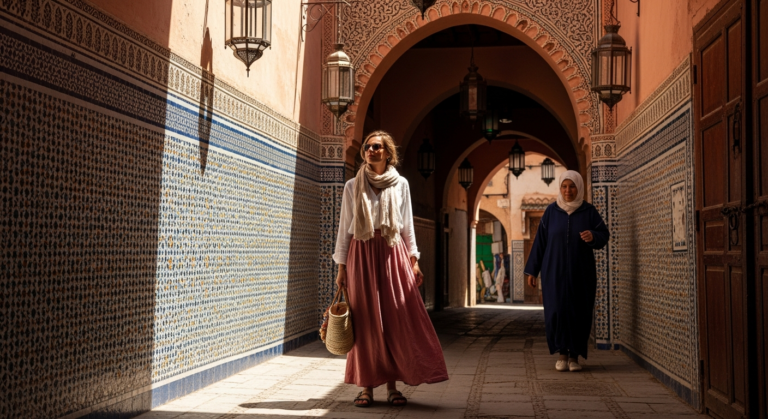
Shopping in Moroccan souks requires both cultural sensitivity and strategic awareness. Firstly, always greet vendors warmly — a simple *”Salam”* establishes respectful rapport immediately. Secondly, never accept the first quoted price. Studies of Moroccan souk transactions indicate initial prices are consistently 200–300% above the expected final sale price. Therefore, starting your counteroffer at roughly 40–50% of the asking price is entirely appropriate. Additionally, shopping during weekday mornings yields better prices and less pressure than weekend afternoons. *”The best souvenir hunters are patient, curious, and genuinely interested in the craft behind the product,”* advises travel consultant Omar Benali. Finally, cooperatives and government-fixed-price shops like Ensemble Artisanal in Marrakech provide stress-free alternatives for those uncomfortable with negotiating.
—
❓ Frequently Asked Questions
Q1: What is the most popular souvenir from Morocco?
Argan oil is consistently the most purchased souvenir. It is authentic, UNESCO-recognized, and globally useful. High-quality variants are available at women’s cooperatives throughout the country.
Q2: How do I know if Moroccan argan oil is genuine?
Genuine argan oil has a distinctive nutty scent when culinary grade. It should be cold-pressed, amber-colored, and sold in dark glass bottles. Always check for cooperative certification labels.
Q3: Is it safe to bargain in Moroccan markets?
Yes — bargaining is expected and culturally accepted. Starting at 40–50% of the asking price is standard practice. Remain polite, patient, and willing to walk away.
Q4: What Moroccan souvenirs are easiest to travel with?
Spices, argan oil, tea glasses, and small leather goods pack easily. Avoid fragile ceramics in checked luggage unless carefully wrapped. Use bubble wrap or clothing as padding.
Q5: Are Moroccan rugs worth buying as investments?
Authentic Beni Ourain and vintage Berber rugs have strong international resale value. Interior designers in Europe and North America regularly pay premium prices for genuine pieces.
Q6: Where is the best city to buy Moroccan souvenirs?
Marrakech offers the widest variety. Fès provides the deepest artisan tradition. Essaouira specializes in woodcraft. Each city has distinct strengths depending on your priorities.
—
Conclusion
Morocco’s souvenir landscape is rich, diverse, and genuinely rewarding for informed buyers. From the liquid gold of argan oil to the geometric poetry of Berber rugs, each item carries authentic cultural weight. However, quality varies dramatically depending on where and how you shop. Prioritize cooperatives, artisan workshops, and fixed-price stores for guaranteed authenticity. Use the price benchmarks provided in this guide to negotiate confidently in open-air souks. Above all, treat each purchase as a cultural exchange — not just a transaction. The best Moroccan souvenirs are those that carry a story, a craft history, and a human connection back home with you. Travel with curiosity, shop with intention, and Morocco will reward you generously.
—
References
– Morocco Ministry of Agriculture. (2023). *Argan Oil Export Statistics Report*. Available via official government economic data publications.
– UNESCO. (2014). *Argan, Practices and Know-How Concerning the Argan Tree*. Intangible Cultural Heritage designation record.
– Conseil Régional du Tourisme Marrakech. (2024). *Handicraft and Artisan Industry Overview*. Regional tourism board publication.
– World Crafts Council. (2023). *Moroccan Artisan Certification Standards*. International craft organization records.
– Fassi, L. (2025). *Souk Secrets: A Buyer’s Guide to North African Markets*. Travel Trade Publishing, London.