Chefchaouen Travel Guide: Top Things to Do
Introduction
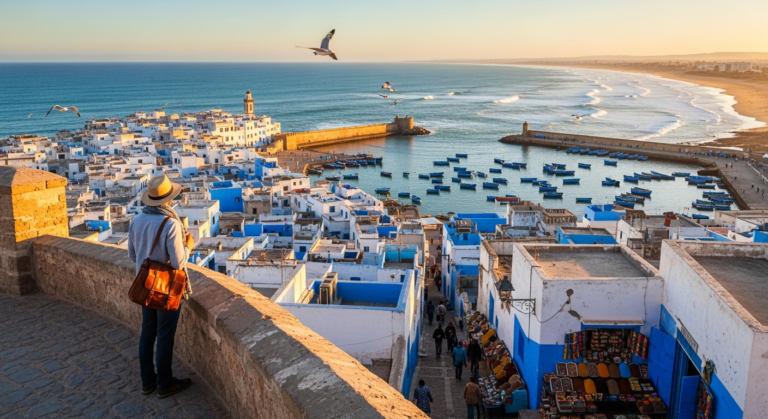
Tucked deep within Morocco’s Rif Mountains, Chefchaouen is one of the world’s most visually striking destinations. Known globally as the “Blue City,” it draws hundreds of thousands of visitors each year. Yet many travelers arrive without a clear plan, missing hidden gems just steps away. This guide covers the best things to do in Chefchaouen — from ancient medina walks to mountain hikes and authentic culinary experiences. Whether you’re a first-time visitor or a returning explorer, this article helps you experience Chefchaouen the right way, deeply and meaningfully.
—
Key Takeaways
– 🔵 Chefchaouen’s medina is a UNESCO-recognized cultural asset, best explored on foot.
– 🏔️ Hiking to the Spanish Mosque offers panoramic views at virtually zero cost.
– 🍽️ Local tagine dishes average just $4–$7 USD at authentic medina restaurants.
– 🛍️ The souks offer hand-woven Berber crafts, kif baskets, and natural dyes.
– 💧 Ras El Maa waterfall is a peaceful, free-to-visit natural attraction.
– 🕌 Plaza Uta el-Hammam is the social and cultural heart of the city.
—
Why Chefchaouen Is Unlike Anywhere Else
Chefchaouen was founded in 1471 by Moorish exiles fleeing the Reconquista. Its blue-painted walls were introduced by Jewish refugees in the 1930s. Today, roughly 45,000 residents call it home. The city sits at approximately 600 meters above sea level. Its cultural DNA blends Andalusian, Berber, and Arab influences seamlessly. As travel writer Rolf Potts once noted, *”The best travel surprises you with how familiar the unfamiliar feels.”* Chefchaouen delivers exactly that sensation. Furthermore, it remains far more affordable than comparable destinations in Europe or Southeast Asia.
—
Exploring the Blue Medina on Foot
Walking the Blue Alleys
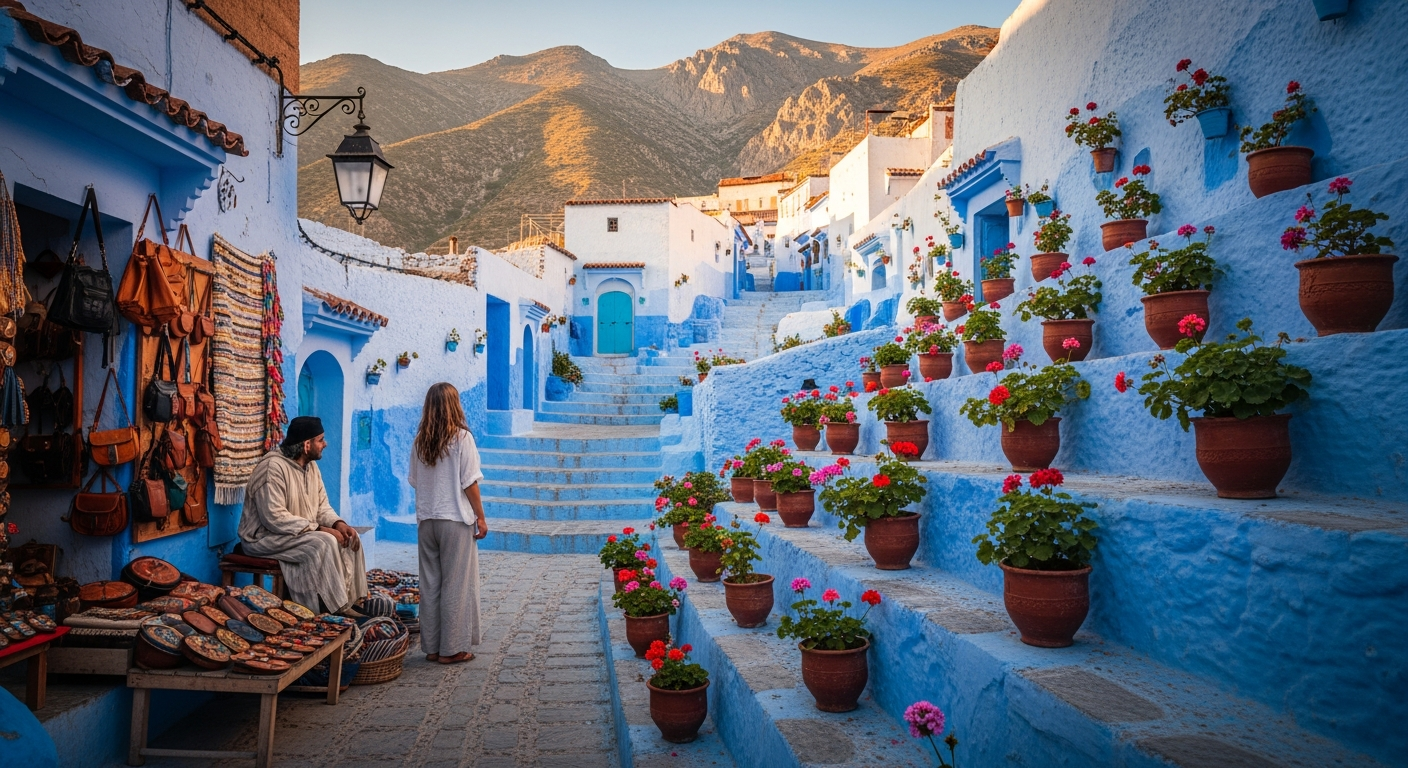
The medina of Chefchaouen is compact — roughly one square kilometer — yet endlessly layered. No two alleys look quite the same. Shades range from pale sky blue to deep cobalt, applied fresh every spring. Morning hours, between 7 and 9 AM, offer the quietest, most photogenic conditions. Additionally, the medina has minimal vehicle access, making walks especially safe. Bring comfortable walking shoes, as the cobblestones can be uneven. Most travelers spend two to four hours exploring at a relaxed pace. Guided medina tours typically cost $10–$20 USD per person.
Plaza Uta el-Hammam: The Living Room of Chefchaouen
Plaza Uta el-Hammam serves as the city’s cultural anchor. The square is lined with café terraces, the Grand Mosque, and the restored Kasbah. Locals gather here at dusk for evening tea and conversation. The Kasbah museum charges a modest 10 MAD (approximately $1 USD) entry fee. Inside, visitors find historical exhibits, a small garden, and panoramic rooftop views. Consequently, it’s one of the best low-cost experiences in the city. The plaza also hosts occasional live Andalusian music performances, especially during summer festival season, making it a genuine cultural gathering point.
—
Outdoor Activities Worth Your Time
Hiking to the Spanish Mosque
One of Chefchaouen’s most rewarding outdoor experiences is the hike to the Spanish Mosque. The trail begins near the medina’s northern edge and takes roughly 30–45 minutes uphill. The reward is a 270-degree panoramic view of the city, the Rif valleys, and distant mountain ridges. Sunrise and sunset are the most popular — and photogenic — windows. Notably, entry is free. The Spanish Mosque itself is a 1920s colonial-era ruin, no longer used for worship. Therefore, it functions more as a scenic overlook than a religious site. Wear sunscreen and carry water, especially in summer months.
Visiting Ras El Maa Waterfall
Just beyond the medina’s eastern edge lies Ras El Maa, a natural spring and small waterfall. Local women traditionally use the area for laundry — a living cultural practice. The stream runs cold and clear year-round, fed by the Rif Mountains. Visitors often sit along the banks for 20–30 minutes of quiet reflection. Additionally, small tea stalls nearby serve mint tea for roughly 5–10 MAD. It is completely free to visit and takes less than 10 minutes to walk from Plaza Uta el-Hammam. Ras El Maa is ideal for travelers seeking authentic, non-touristy moments.
—
Cultural Experiences and Local Crafts
Shopping in the Chefchaouen Souks
The souks of Chefchaouen offer a distinctly local shopping experience. Unlike Marrakech’s aggressive market culture, these souks feel calmer. Artisans here specialize in hand-woven wool blankets, natural-dye fabrics, Berber jewelry, and wicker baskets. Prices are generally lower than in larger Moroccan cities. A quality wool blanket typically costs 150–400 MAD ($15–$40 USD). Always negotiate respectfully — it is culturally expected. Moreover, purchasing directly from artisans supports local livelihoods. One local weaver, Fatima B., shared: *”Each blanket takes three days to make. When tourists buy them, they carry our craft to the world.”*
Berber Craft Traditions: A Quick Overview
| Craft Type | Average Price (MAD) | Best Location to Buy |
|—|—|—|
| Hand-woven wool blanket | 150–400 | Souk near Plaza Uta |
| Leather bag | 200–500 | Lower medina stalls |
| Berber silver jewelry | 80–300 | East medina alley shops |
| Natural dye fabrics | 60–200 | Artisan cooperative stores |
| Wicker kif basket | 30–100 | Medina entrance shops |
—
Food and Drink: Tasting Chefchaouen
What to Eat in the Blue City
Chefchaouen’s food scene is rooted in northern Moroccan tradition. Lamb or vegetable tagine remains the defining dish. A satisfying tagine lunch costs just $4–$7 USD at a local restaurant. Msemen (Moroccan flatbread) with honey and argan oil is a popular breakfast option. Additionally, harira soup — a rich tomato-and-lentil blend — is widely available for 15–20 MAD. Fresh-pressed orange juice costs roughly 8 MAD ($0.80). The medina’s rooftop restaurants offer both flavor and views. Avoid eating at the most tourist-visible spots directly on the plaza — instead, venture one street deeper for better value and authenticity.
Recommended Dining Experience
> *”Eat where the locals eat. If you see a menu in four languages and a photo of the food on the wall — keep walking,”* advises food travel blogger Yasmine El Khatib.
This principle holds especially true in Chefchaouen. Several family-run restaurants operate without formal signage. Ask your riad host for recommendations. Typically, a full three-course meal with tea costs under 100 MAD ($10 USD). Furthermore, many guesthouses prepare communal Moroccan breakfasts — a deeply social and delicious cultural ritual. Budget travelers consistently rate these experiences among their most memorable Morocco moments.
—
Practical Travel Information
Essential Chefchaouen Travel Facts
| Category | Detail |
|—|—|
| Best time to visit | March–May and September–November |
| Average daily budget | $25–$50 USD (mid-range traveler) |
| Currency | Moroccan Dirham (MAD) |
| Language | Darija Arabic, Tamazight, French |
| Getting there | Bus from Fes (~4 hrs) or Tangier (~3 hrs) |
| Accommodation range | $10 (hostel) – $80 (boutique riad) |
| Safety level | Generally very safe for solo travelers |
| Connectivity | Decent 4G in the medina core area |
Tips for a Better Visit
Several practical habits will significantly improve your experience. Arrive early in the morning to enjoy the medina without crowds. Respect local customs — dress modestly, especially near religious sites. Photography of local people always requires permission first. Furthermore, avoid peak summer months (July–August) when temperatures exceed 35°C and tourist volumes surge. Booking accommodation at least two weeks ahead is advisable for spring and autumn travel. Finally, learn three to five basic phrases in Darija — locals genuinely appreciate the effort and it opens unexpected doors.
—
FAQs About Visiting Chefchaouen
Q1: How many days do you need in Chefchaouen?
Two to three days is ideal. One day covers the medina; additional days allow for hiking and relaxed exploration.
Q2: Is Chefchaouen safe for solo female travelers?
Yes. It is widely regarded as one of Morocco’s safest cities. Standard travel awareness still applies.
Q3: What is the best time of year to visit?
Spring (March–May) and autumn (September–November) offer mild weather and manageable crowd levels.
Q4: Can you visit Chefchaouen as a day trip from Fes?
Technically yes, but it is not recommended. The bus journey is approximately four hours each way, leaving minimal exploration time.
Q5: How do you get from Tangier to Chefchaouen?
CTM or Supratours buses run regularly. The journey costs approximately 60–80 MAD ($6–$8 USD) and takes around three hours.
Q6: Is card payment accepted in Chefchaouen?
Mostly no. Carry cash in Moroccan Dirhams. A few larger restaurants may accept cards — always confirm in advance.
—
Conclusion
Chefchaouen rewards those who slow down and pay attention. Its beauty lies not only in famous blue walls but equally in quiet alleys, family meals, mountain hikes, and handmade crafts. This city consistently ranks among Morocco’s top travel destinations precisely because it balances authenticity with accessibility. Plan your days wisely — hike in the morning, explore the medina midday, and linger at the plaza as the sun drops behind the mountains. Prioritize local restaurants, stay in a family-run riad, and always carry cash. Most importantly, Chefchaouen is best experienced with patience and curiosity — not a checklist. Visit once, and you will almost certainly want to return.
—
References
– Moroccan National Tourist Office data on visitor arrivals (2024). [visitmorocco.com](https://www.visitmorocco.com)
– Lonely Planet Chefchaouen destination guide. [lonelyplanet.com](https://www.lonelyplanet.com/morocco/chefchaouen)
– UNESCO documentation on Moroccan medinas and cultural heritage. [whc.unesco.org](https://whc.unesco.org)
– Rough Guides Morocco — Northern Regions chapter (2025 edition). [roughguides.com](https://www.roughguides.com)
– World Bank Morocco tourism economic data (2023). [worldbank.org](https://www.worldbank.org)