Morocco Travel Mistakes to Avoid in 2026
Introduction
Morocco is one of the world’s most captivating destinations. Its ancient medinas, Sahara dunes, and vibrant souks draw millions of visitors annually. Yet, many travelers arrive unprepared. Knowing the common Morocco travel mistakes to avoid can transform a frustrating trip into an extraordinary one. This guide covers critical errors — from cultural missteps to budget blunders — so you arrive informed and confident. Whether you are planning your first visit to Marrakech or exploring the lesser-known Atlas Mountains, this article gives you the practical knowledge to travel smarter, safer, and more respectfully in Morocco. By the end, you will have a clear roadmap to sidestep the pitfalls that catch most first-time visitors off guard.
—
Key Takeaways
– ✅ Always negotiate prices respectfully in souks — fixed prices are rare.
– ✅ Dress modestly, especially in rural areas and religious sites.
– ✅ Never enter a mosque without explicit permission if you are non-Muslim.
– ✅ Carry Moroccan Dirhams (MAD); many vendors do not accept cards.
– ✅ Book riads and transport in advance during peak season (March–May, October–November).
– ✅ Trust licensed guides only — unofficial “guides” often lead to commission shops.
—
1. Ignoring Cultural Dress Codes
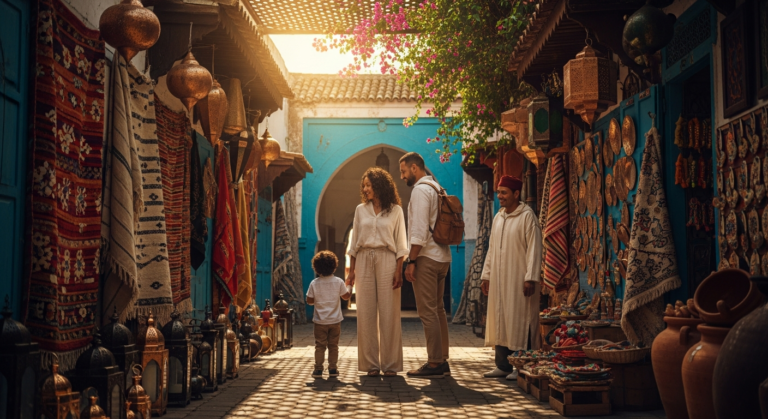
Morocco is a predominantly Muslim country. Dressing inappropriately is one of the fastest ways to draw unwanted attention or cause offense. Shoulders and knees should remain covered, especially in medinas, mosques, and rural villages. Women in particular face increased harassment when dressed in shorts or sleeveless tops in traditional neighborhoods. Furthermore, this is not merely about respect — it directly impacts your comfort. A lightweight linen shirt or loose trousers costs very little but changes your entire experience. According to a 2024 traveler survey by Travel + Leisure, 63% of female visitors who dressed modestly reported significantly fewer instances of harassment during their Morocco trip. Pack thoughtfully and pack culturally.
—
2. Skipping Prior Research on Ramadan
Ramadan timing varies each year. In 2026, Ramadan is expected to begin around February 18. Traveling during this period without preparation is a significant oversight. Many restaurants close during daylight hours. Some locals may be fasting and less energetic for guided tours. However, Ramadan also offers extraordinary cultural experiences — evening Iftar meals, communal prayers, and a deeply spiritual atmosphere. Travelers who research this period in advance adapt well and often describe it as the most authentic experience of Morocco. As travel expert Cassandra Overby notes: *”Ramadan in Morocco isn’t an inconvenience — it’s a privilege to witness, if you’re prepared.”* Plan meals, adjust tour times, and embrace the rhythm of local life.
—
3. Falling for Unofficial “Guide” Scams
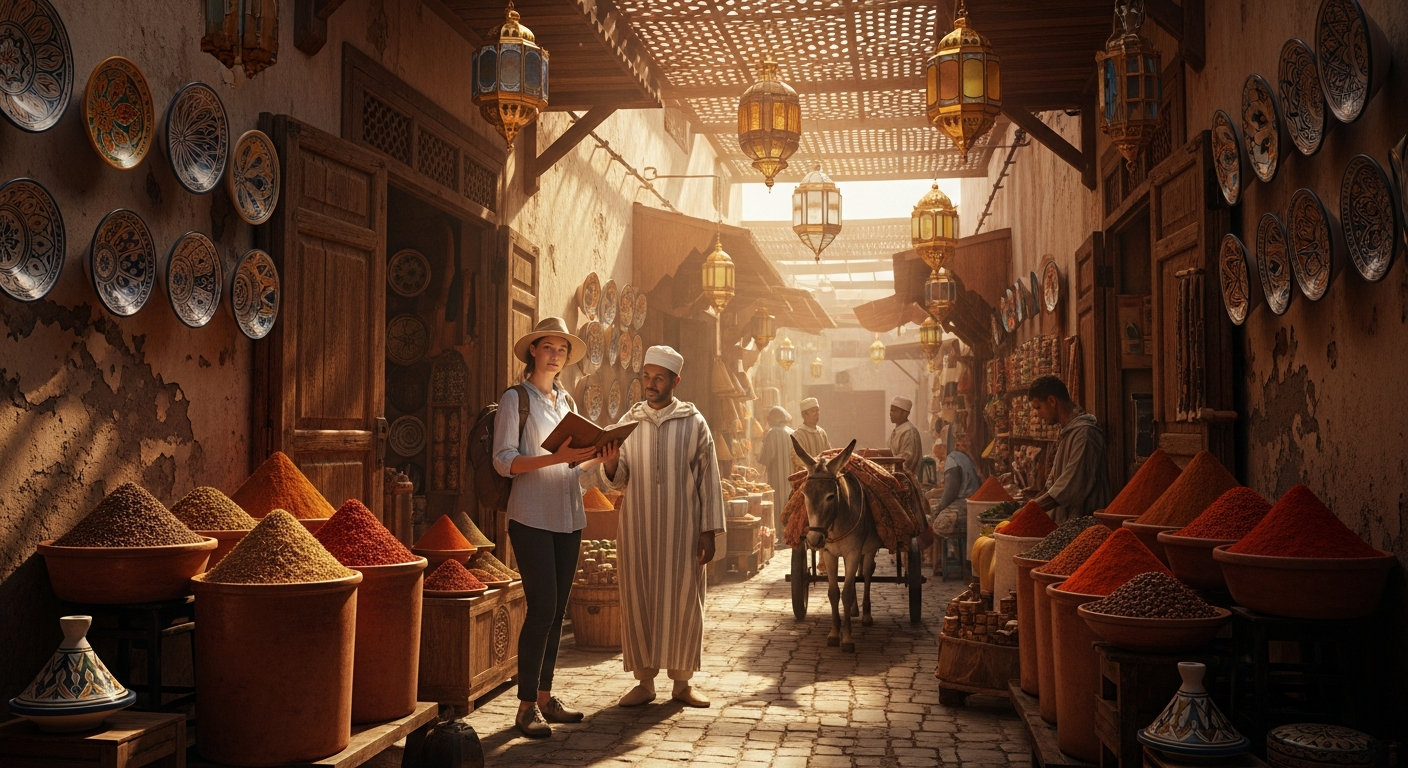
Faux guides are a well-documented issue in Marrakech, Fès, and Chefchaouen. These individuals approach tourists near major landmarks, offering free or cheap guidance before steering them into shops where they earn commissions. The result? You overpay for goods you did not intend to buy. Morocco’s government has made significant progress cracking down on this practice since 2022. Nevertheless, the problem persists. Always hire guides through your riad, a licensed tour operator, or the official Office National Marocain du Tourisme (ONMT). Licensed guides carry official identification cards. Additionally, if someone insists on helping you for free, that “free” service almost always comes at a hidden cost later in the journey.
—
4. Not Negotiating in the Souks
Fixed-price shopping is uncommon in traditional Moroccan souks. Paying the first asking price is one of the most expensive Morocco travel mistakes to avoid. Vendors typically quote 200–400% above the expected final price. Negotiation is not rude — it is culturally expected and even enjoyed. However, approach it respectfully. Start at 30–40% of the asking price and work toward a middle ground. A leather bag priced at 800 MAD (~$78 USD) might settle at 350–450 MAD (~$34–$44 USD). Moreover, walk away if needed — this signals seriousness and often brings the seller back with a lower offer. Never negotiate on an item you genuinely do not intend to purchase. That crosses a line of respect in Moroccan commerce.
—
Souk Bargaining Quick Reference Table
| Item | Initial Ask (MAD) | Fair Price (MAD) | Approx. USD Fair Price |
|—|—|—|—|
| Leather bag | 800 | 350–450 | $34–$44 |
| Ceramic tagine | 300 | 100–150 | $10–$15 |
| Argan oil (100ml) | 250 | 120–160 | $12–$16 |
| Woven rug (small) | 1,500 | 600–900 | $58–$88 |
| Spice blend (200g) | 150 | 50–80 | $5–$8 |
> 💡 *Always carry small denomination Dirhams — vendors rarely have change for large bills.*
—
5. Underestimating Travel Distances
Morocco’s geography is deceptively vast. Many travelers book a 7-day itinerary expecting to cover Marrakech, Fès, Chefchaouen, the Sahara, and the coastal city of Essaouira. This is overly ambitious. The drive from Marrakech to Merzouga (Sahara entry point) alone takes 8–9 hours by car. Fès to Chefchaouen is approximately 3.5 hours. Rushing between cities means you spend more time in transit than experiencing Morocco. Consequently, you miss the depth each location offers. A smarter approach is to choose 3–4 destinations per trip and invest time in each. According to Lonely Planet’s 2025 Morocco Guide, most visitors regret rushing and wish they had stayed longer in fewer places.
—
6. Relying Solely on Credit Cards
Cash is king in Morocco. While major hotels, upscale restaurants, and some medina boutiques accept Visa or Mastercard, the majority of markets, street food stalls, hammams, and local transport require cash. The official currency is the Moroccan Dirham (MAD). As of early 2026, 1 USD ≈ 10.0 MAD. ATMs are widely available in cities like Marrakech, Casablanca, and Rabat. However, ATMs in rural villages and mountain regions can be unreliable or completely absent. Carry sufficient cash before departing cities. Additionally, avoid exchanging money at airports — rates there are consistently 15–20% worse than those offered by city exchange bureaus (known locally as “bureaux de change”). Always verify the rate before any transaction.
—
7. Drinking Tap Water or Underestimating Food Safety
Morocco’s tap water is treated in cities. However, it is generally not recommended for travelers whose digestive systems are unaccustomed to local water. Drinking tap water frequently leads to traveler’s diarrhea — a condition that can sideline an entire day or more of your trip. Bottled water is inexpensive: approximately 2–5 MAD (~$0.20–$0.50) per 1.5-liter bottle. Furthermore, exercise caution with raw salads, unpeeled fruits from street stalls, and undercooked meats in less reputable eateries. Street food from busy, high-turnover stalls is generally safe and delicious. As a rule: “boil it, cook it, peel it, or forget it.” This straightforward principle, endorsed by the WHO Travel Health Guidelines, prevents the vast majority of food-related illnesses abroad.
—
8. Disrespecting Religious Sites and Practices
Non-Muslim travelers are not permitted inside most Moroccan mosques. The notable exception is the Hassan II Mosque in Casablanca, which offers guided tours to non-Muslims for approximately 130 MAD ($13). Attempting to enter prohibited mosques is deeply disrespectful and can result in confrontation or police involvement. Moreover, during prayer times — which occur five times daily — it is courteous to avoid loud conversations or photography near mosques. Public displays of affection are also frowned upon in conservative areas. LGBTQ+ travelers should exercise particular discretion, as same-sex relations remain legally sensitive in Morocco. Ultimately, cultural sensitivity is not optional in Morocco — it is the foundation of a respectful, safe, and truly enriching travel experience.
—
9. Booking Cheap Accommodation Without Research
Morocco offers a wide spectrum of accommodation. At one extreme, luxury riads in Marrakech’s medina charge upwards of $300–$500 per night. At the other, budget guesthouses go as low as $15–$25 per night. However, cheap accommodation booked without thorough review research often means noise, plumbing issues, or deceptively far locations from main attractions. Riads are traditional courtyard homes converted into boutique hotels — they represent the most authentic lodging experience. Therefore, read recent reviews on platforms like Booking.com or Airbnb from 2024–2025. Pay specific attention to location descriptions. Being “near the medina” can mean a 5-minute walk or a 30-minute taxi ride. Verified guest photos and recent reviews are your most reliable planning tools.
—
Destination Planning Overview Table
| City | Best For | Avg. Riad Cost/Night | Visit Duration |
|—|—|—|—|
| Marrakech | Souks, palaces, nightlife | $60–$200 | 3–4 days |
| Fès | History, ceramics, culture | $50–$180 | 2–3 days |
| Chefchaouen | Blue medina, hiking | $35–$120 | 1–2 days |
| Merzouga | Sahara desert experience | $40–$150 | 1–2 days |
| Essaouira | Coastal charm, wind sports | $40–$130 | 1–2 days |
—
10. Overlooking Travel Insurance
Travel insurance is perhaps the most overlooked preparation step among Morocco-bound travelers. Medical care in Morocco varies significantly by region. Private clinics in Casablanca and Marrakech meet reasonable international standards. However, rural medical facilities are limited. Emergency medical evacuation can cost $20,000–$50,000 USD without insurance coverage. Additionally, petty theft — particularly pickpocketing in crowded medinas — remains common. A comprehensive travel insurance policy covering medical, theft, and trip cancellation costs as little as $30–$60 for a 10-day trip. Given the financial risk ratio, skipping this is objectively poor judgment. Reputable providers include World Nomads and Allianz Travel, both offering Morocco-specific policy options tailored for adventurous travelers.
—
FAQs
Q1: Is Morocco safe for solo female travelers?
Yes, with appropriate precautions. Dress modestly, avoid isolated areas at night, and stay in reputable accommodations. Many solo female travelers visit Morocco safely each year.
Q2: Do I need a visa to visit Morocco?
Citizens of over 60 countries, including the USA, UK, EU nations, and Canada, can enter Morocco visa-free for up to 90 days. Always verify current entry requirements before traveling.
Q3: What is the best time to visit Morocco?
March–May and September–November offer the most comfortable temperatures. Summer (June–August) can be extremely hot, especially in the Sahara and inland cities like Fès.
Q4: Is haggling mandatory in Moroccan markets?
Not mandatory, but expected. Fixed-price shops exist in modern malls and some tourist boutiques. In traditional souks, negotiation is standard practice.
Q5: Can I drink alcohol in Morocco?
Alcohol is available in licensed restaurants, hotels, and bars in major cities. It is not sold in traditional souks or conservative areas. Public consumption is illegal.
Q6: How much should I budget per day in Morocco?
Budget travelers can manage on $40–$60/day. Mid-range travelers typically spend $80–$150/day. Luxury experiences can exceed $300/day easily.
—
Conclusion
Morocco rewards prepared travelers generously. The country’s beauty, hospitality, and depth are genuinely unmatched — but only accessible when you approach it with cultural intelligence and practical preparation. The most common Morocco travel mistakes to avoid — from ignoring dress codes to underestimating distances — are entirely preventable with the right knowledge. Ultimately, research before departure, budget for cash, hire licensed guides, respect local customs, and get proper travel insurance. These steps transform a good Moroccan trip into an unforgettable one. Morocco is not a destination you simply pass through. It is a place you experience, layer by layer, when you arrive ready and with an open, respectful mindset.
—
References
– Lonely Planet Morocco (2025 Edition) — Comprehensive destination guide. [lonelyplanet.com/morocco](https://www.lonelyplanet.com/morocco)
– Travel + Leisure — Morocco Travel Guide (2024) — Traveler surveys and destination insights. [travelandleisure.com](https://www.travelandleisure.com)
– World Health Organization Travel Health Guidelines — Food and water safety for international travel. [who.int/travel](https://www.who.int/travel)
– Office National Marocain du Tourisme (ONMT) — Official Morocco tourism authority. [visitmorocco.com](https://www.visitmorocco.com)
– World Nomads Travel Insurance — Adventure travel coverage options. [worldnomads.com](https://www.worldnomads.com)
– Numbeo Cost of Living — Morocco 2025 — Price benchmarks and cost data. [numbeo.com](https://www.numbeo.com)