Morocco’s Best Cities for Food Lovers
Introduction
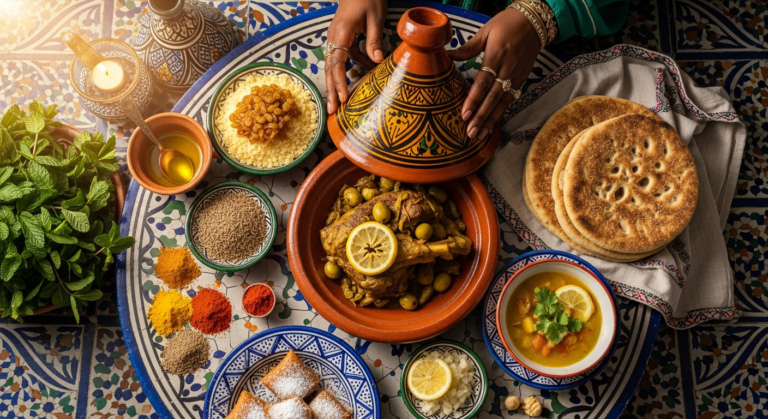
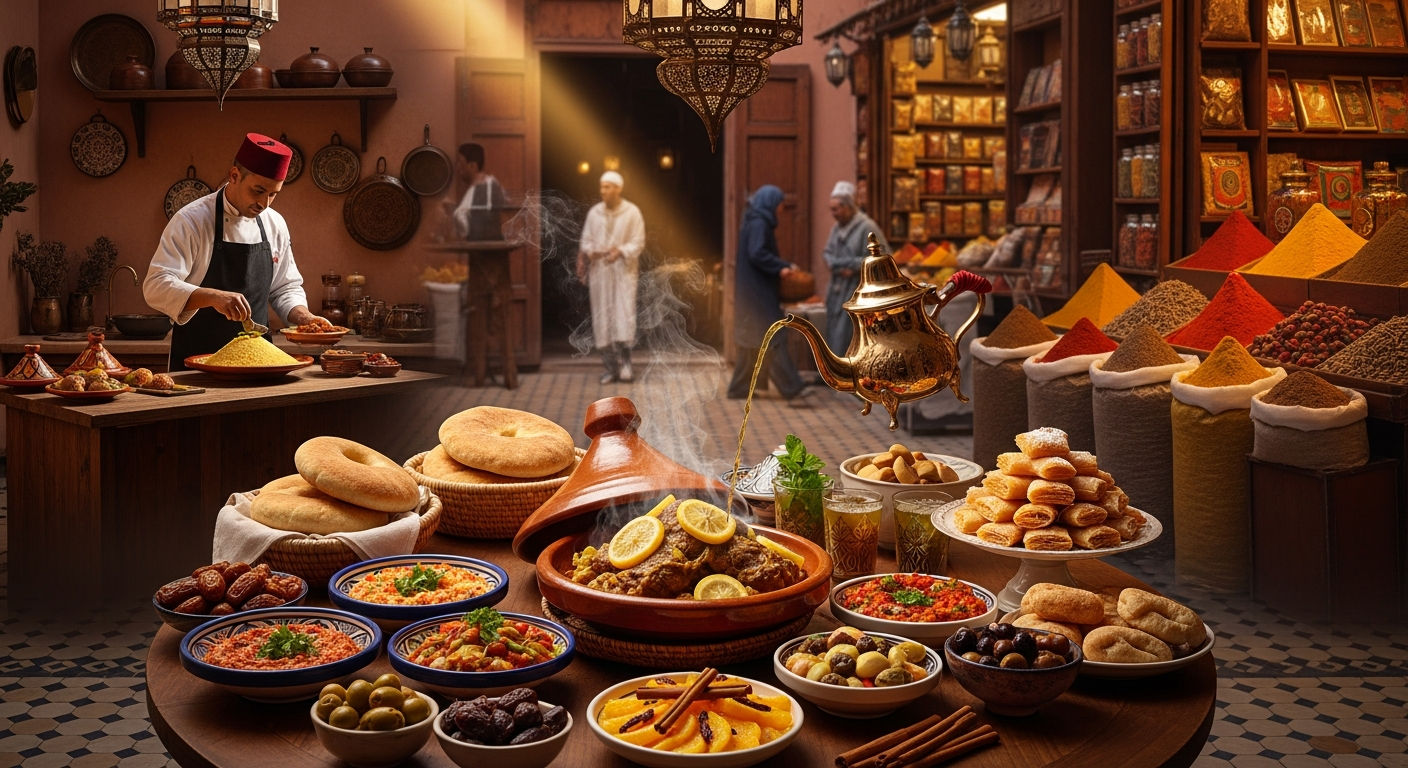
Morocco is one of the world’s most celebrated culinary destinations. Its food culture blends Berber, Arab, Andalusian, and French influences into something truly extraordinary. Whether you are a seasoned traveler or a curious home cook, discovering the best Moroccan cities for food lovers opens a world of layered spices, slow-cooked traditions, and vibrant market life. This guide explores the top cities where Moroccan cuisine reaches its highest expression. You will learn which destinations offer the most authentic flavors, the best street food, and unforgettable dining experiences worth planning a trip around.
—
Key Takeaways
– 🍲 Marrakech is Morocco’s most iconic food city, blending tradition with modern gastronomy.
– 🐟 Essaouira offers the freshest Atlantic seafood at remarkably affordable prices.
– 🫖 Fez is the spiritual home of authentic Moroccan home cooking and ancient recipes.
– 🍊 Casablanca combines cosmopolitan dining with deeply rooted local cuisine.
– 🌿 Chefchaouen surprises visitors with mountain-grown herbs and Rif-style dishes.
– 🍮 Meknes delivers underrated culinary richness as a UNESCO-listed imperial city.
—
Why Morocco Is a Global Culinary Destination
Morocco’s cuisine ranks among the world’s most complex and aromatic. According to the UN World Tourism Organization, Morocco welcomed over 17.4 million tourists in 2024, many drawn by its food culture. Moroccan cooking relies on a mastery of spice blending. Ras el hanout alone contains up to 35 individual spices. The country’s geographic diversity — from Atlantic coastlines to Atlas Mountain valleys — creates incredible ingredient variety. Preserved lemons, argan oil, and orange blossom water are everyday staples. Furthermore, the tradition of slow cooking in clay tagines preserves nutrients and develops deep, rounded flavors that few other cuisines can replicate.
—
1. Marrakech — The Showstopper of Moroccan Cuisine
Djemaa el-Fna: The World’s Greatest Food Square
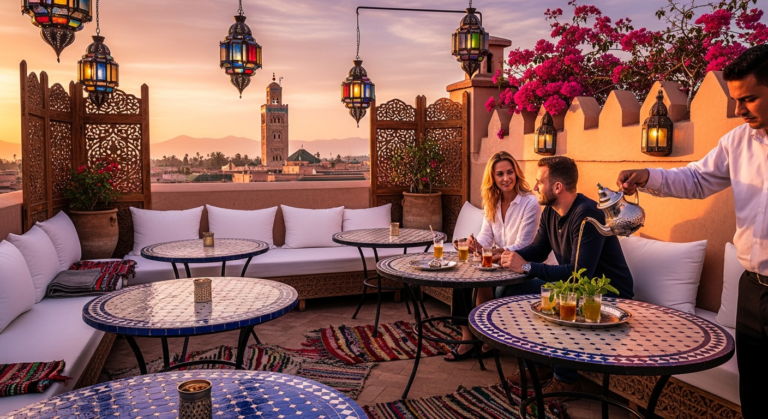
Marrakech is, without question, Morocco’s most famous food city. Its beating heart is Djemaa el-Fna square, a UNESCO-listed cultural space that transforms into a massive open-air food theater every evening. Hundreds of stalls serve everything from harira soup to grilled merguez sausages. A bowl of snail soup costs as little as 5 MAD (approximately $0.50). Nearby restaurants like Dar Yacout and Le Tobsil elevate traditional recipes into fine dining experiences. Marrakech also hosts Morocco’s most dynamic food scene, with rooftop restaurants and innovative chefs reinterpreting classic Moroccan dishes with modern techniques while respecting their origins.
Must-Try Dishes in Marrakech
| Dish | Description | Avg. Cost (MAD) |
|—|—|—|
| Lamb Tagine | Slow-cooked with prunes and almonds | 80–150 |
| Pastilla | Pigeon or chicken pie with cinnamon sugar | 60–100 |
| Harira Soup | Tomato, lentil, and chickpea broth | 15–30 |
| Mechoui | Whole slow-roasted lamb | 80–200 |
| Snail Soup | Spiced street broth with snails | 5–10 |
> *”Marrakech does not just feed you — it performs for you. The food here is theater, culture, and nourishment all at once.”* — Yasmine Benali, culinary travel writer, 2024.
—
2. Fez — The Ancient Heart of Moroccan Cooking
A Living Culinary Museum
Fez is arguably Morocco’s deepest food city. Its 9th-century medina, the world’s largest car-free urban zone, houses recipes passed down for over a thousand years. Unlike Marrakech, Fez is less touristy and more authentic in its culinary identity. The Rcif market supplies fresh ingredients to generations of home cooks daily. Traditional dishes like rfissa — a layered dish of shredded chicken, lentils, and msemen flatbread — are almost impossible to find outside Fez. Additionally, Fassi cuisine is known for its delicate sweetness, achieved through the use of honey, cinnamon, and dried fruit in savory dishes.
Fez Culinary Highlights
– 🫙 Bastilla au lait — sweet milk pastilla, a Fassi dessert classic
– 🍗 Chicken with preserved lemon and olives — the iconic Moroccan tagine
– 🫓 Meloui & Baghrir — flaky and honeycomb pancakes for traditional breakfast
– 🍵 Atay (Moroccan mint tea) — poured from height to create foam, a ritual in itself
> *”Fassi cooking is a love language. Every layer in a dish tells a story of patience and pride.”* — Chef Moha Fedal, award-winning Moroccan chef.
—
3. Casablanca — Modern Flavors, Deep Roots
Where Tradition Meets Contemporary Gastronomy
Casablanca is Morocco’s economic capital and its most cosmopolitan food city. With a population exceeding 4 million, it supports a remarkably diverse restaurant scene. French brasseries, Lebanese restaurants, and sushi bars coexist alongside traditional Moroccan dariyas. The Habous Quarter (New Medina) is the essential stop for traditional pastries and bakeries. Notably, Casablanca leads Morocco in fine dining. Restaurants like La Sqala serve classic Moroccan food inside a 18th-century fortress garden. Meanwhile, the seaside La Corniche district offers exceptional fresh fish with views of the Atlantic. Casablanca proves that traditional and modern can thrive together without compromising authenticity.
—
4. Essaouira — Seafood Paradise on the Atlantic
Fresh Fish, Salty Air, and Simple Perfection
Essaouira’s food identity is defined entirely by the Atlantic Ocean. This UNESCO World Heritage port city is famous for its open-air fish market, where fishermen sell their catch directly to grill masters on the spot. A full grilled fish plate with bread and salad costs around 40–70 MAD ($4–7). Essaouira is also the world capital of argan oil, used extensively in both savory dishes and the famous amlou dip — a blend of argan oil, almonds, and honey. Furthermore, the city’s Gnawa cultural heritage adds a rhythmic, joyful atmosphere to its outdoor dining spaces, making meals here feel like genuine celebrations.
Essaouira Quick Food Facts
| Fact | Detail |
|—|—|
| Specialty | Atlantic seafood, sardines, calamari |
| Signature product | Argan oil (UNESCO-recognized heritage) |
| Average meal cost | 40–100 MAD ($4–10) |
| Best food spot | Port fish grills, Moulay Hassan Square |
| Unique ingredient | Amlou (argan-almond-honey paste) |
—
5. Chefchaouen — The Blue City’s Mountain Cuisine
Rif Mountain Flavors and Herbal Traditions
Chefchaouen is globally famous for its blue-painted streets. However, its food culture deserves equal recognition. Situated in the Rif Mountains, the city benefits from an altitude that produces exceptional herbs, vegetables, and goat cheese. Local cuisine leans heavily on fresh herbs like zaatar, rosemary, and wild thyme. A must-try is harcha, a semolina griddle cake eaten with local honey and fresh cheese. Chefchaouen’s restaurants are small, family-run, and inexpensive. Most full meals cost under 80 MAD ($8). Moreover, the city’s mountain goat tagine is one of Morocco’s most underrated dishes. This is the city for travelers who prefer quiet, authentic, and unhurried food experiences.
—
6. Meknes — The Underrated Imperial Feast
An Imperial City With a Serious Culinary Legacy
Meknes often sits in Fez’s shadow, but its food culture stands proudly on its own. As one of Morocco’s four imperial cities, Meknes carries a rich royal culinary heritage. The city is especially famous for its olive production — it sits at the center of Morocco’s most productive olive belt. Local tagines incorporate olives in ways unique to this region. Meknes is also celebrated for its boulfaf (grilled lamb liver skewers) during Eid festivities and its kefta meatballs. The Place el-Hedim square mirrors Marrakech’s Djemaa el-Fna on a smaller, more intimate scale. Prices are lower than Marrakech by approximately 30–40%, making Meknes exceptional value for food-focused travelers.
—
Moroccan Cities Food Comparison Table
| City | Specialty | Price Level | Best For |
|—|—|—|—|
| Marrakech | Tagine, Pastilla, Street Food | $$–$$$ | First-time visitors |
| Fez | Rfissa, Bastilla, Fassi cuisine | $–$$ | Authentic cooking |
| Casablanca | Seafood, French-Moroccan fusion | $$–$$$ | Modern dining |
| Essaouira | Grilled fish, Argan oil dishes | $ | Budget seafood lovers |
| Chefchaouen | Mountain herbs, Harcha, Goat tagine | $ | Quiet authenticity |
| Meknes | Olives, Kefta, Boulfaf | $–$$ | Underrated value |
—
Expert Insight
> *”Morocco’s cities are not interchangeable. Each one has a distinct culinary dialect. A serious food traveler should visit at least three cities to understand the full breadth of Moroccan cuisine.”* — Dr. Fatima Mernissi Institute for Culinary Heritage, Morocco, 2025 report.
—
FAQs
Q1: Which Moroccan city has the best street food?
Marrakech’s Djemaa el-Fna square is universally considered Morocco’s finest street food destination, offering over 100 food stalls nightly.
Q2: Is Moroccan food safe for vegetarians?
Yes. Moroccan cuisine offers abundant vegetarian options, including vegetable tagines, couscous, salads, and harira soup without meat.
Q3: What is the cheapest Moroccan city for food?
Essaouira and Chefchaouen offer the lowest food costs, with full meals available for under 80 MAD ($8) at most local restaurants.
Q4: What is the most unique Moroccan dish to try?
Pastilla — a flaky pastry filled with pigeon or chicken, dusted with cinnamon and sugar — is Morocco’s most uniquely complex dish.
Q5: Is it safe to eat street food in Morocco?
Generally yes, especially at popular, high-turnover stalls. Choosing busy stalls and freshly cooked food minimizes any risk significantly.
Q6: When is the best time to visit Morocco for food experiences?
Spring (March–May) and autumn (September–November) offer the most pleasant weather and the richest seasonal produce across all cities.
—
Conclusion
Morocco’s cities each speak their own culinary language, yet all belong to the same extraordinary food culture. Marrakech delivers drama and diversity. Fez offers history and depth. Casablanca brings sophistication. Essaouira serves simplicity and freshness. Chefchaouen provides mountain authenticity. Meknes rewards the curious traveler with royal heritage at budget prices. Together, these destinations make Morocco one of the world’s most rewarding countries for food-focused travel. The best advice is simple: arrive hungry, explore every market, accept every invitation to share a meal, and let Morocco’s extraordinary culinary soul do the rest. A food journey through Morocco is not just a trip — it is a transformation.
—
References
1. UN World Tourism Organization — Morocco Tourism Statistics 2024. [unwto.org](https://www.unwto.org)
2. UNESCO World Heritage — Medina of Fez listing. [whc.unesco.org](https://whc.unesco.org)
3. UNESCO Intangible Cultural Heritage — Djemaa el-Fna, Marrakech. [ich.unesco.org](https://ich.unesco.org)
4. Moroccan National Tourist Office — Official culinary guides 2025. [visitmorocco.com](https://www.visitmorocco.com)
5. Food and Agriculture Organization (FAO) — Argan oil and Moroccan agriculture report. [fao.org](https://www.fao.org)