15 Best Places to Visit in Morocco in 2026
15 Best Places to Visit in Morocco in 2026
Morocco is not just a destination — it is a sensory journey unlike any other. From the labyrinthine medinas of ancient cities to the endless golden dunes of the Sahara Desert, this North African kingdom offers an extraordinary blend of culture, history, and natural beauty. As one of the world’s most diverse travel destinations, Morocco attracts over 14.5 million tourists annually, and that number continues to grow. Whether you are planning your first trip or returning for more, this guide to the best places to visit in Morocco will help you experience the country at its very best in 2026.
—
Key Takeaways
– Morocco is home to 9 UNESCO World Heritage Sites, making it a cultural treasure trove.
– The best time to visit Morocco is between March–May and September–November.
– Budget travelers can explore Morocco comfortably for $40–$70 USD per day.
– The Sahara Desert experience near Merzouga is a once-in-a-lifetime adventure.
– Chefchaouen, the famous Blue City, is among the most photogenic places on Earth.
– Morocco’s transportation network has improved significantly, with faster train links in 2026.
—
Why Morocco Is So Popular for Tourism
Morocco has long captured the imagination of global travelers. Its unique position at the crossroads of African, Arab, Berber, and European influences creates a culture that is both ancient and dynamic. The country offers dramatic contrasts: snow-capped Atlas Mountains, lush river valleys, Atlantic coastlines, and Saharan landscapes — all within a single nation.
Furthermore, Morocco is remarkably accessible. Direct flights connect major world cities to Casablanca, Marrakech, and Fes. The government has invested heavily in tourism infrastructure, and in 2026, new high-speed rail extensions and renovated riads have made travel even more seamless. According to the Moroccan National Tourist Office, the country aims to welcome 26 million visitors by 2030.
> *”Morocco is the only country where you can ski in the mountains in the morning and surf in the ocean by the afternoon.”* — Lonely Planet Travel Editor
—
15 Best Places to Visit in Morocco
1. Marrakech — The Red City
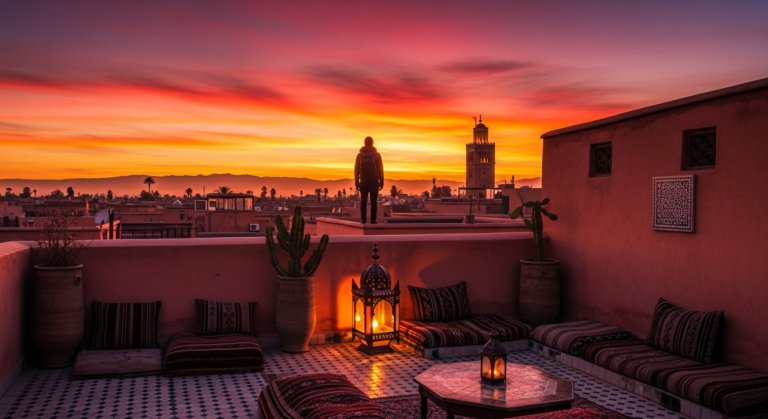
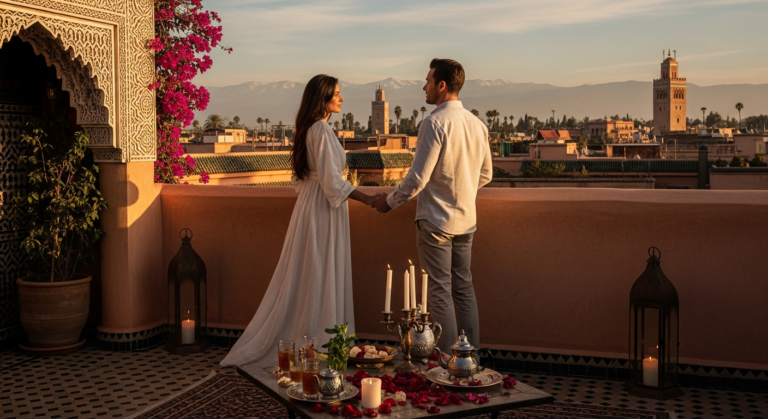
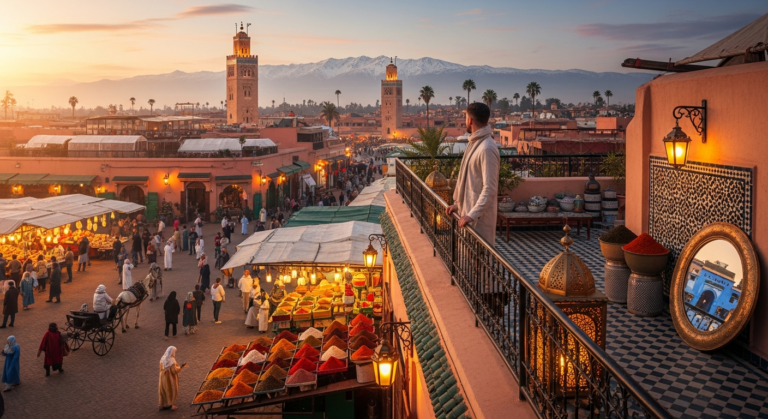
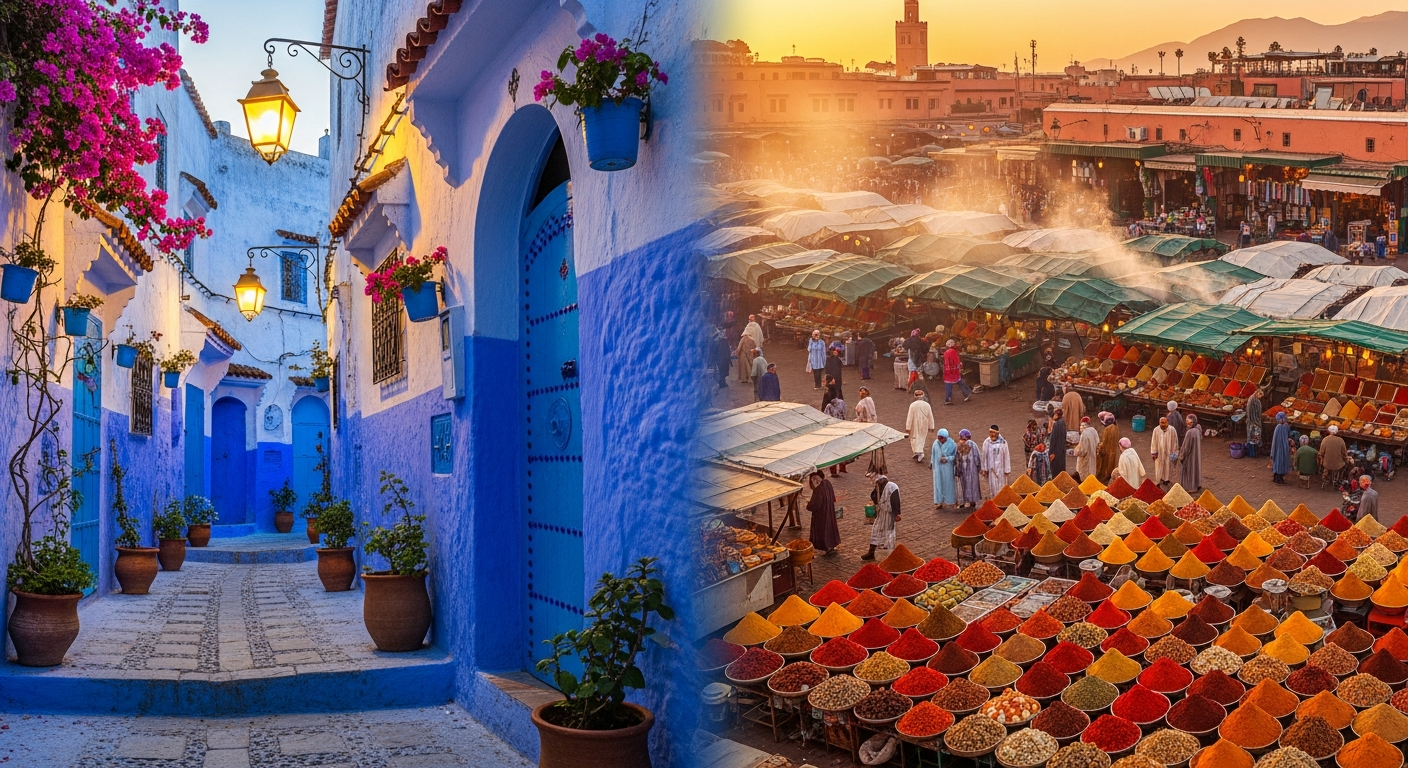
Marrakech is arguably Morocco’s most famous city. Its vibrant Djemaa el-Fna square pulses with snake charmers, storytellers, and food stalls every evening. The historic medina, a UNESCO World Heritage Site, hides stunning palaces like the Bahia Palace and fragrant souks selling leather, spices, and ceramics. The Majorelle Garden, restored by Yves Saint Laurent, draws over 900,000 visitors per year.
Marrakech blends ancient architecture with modern luxury. Boutique riads here charge between $80–$400 per night. It is the ideal starting point for any Morocco travel guide.
—
2. Fes — Morocco’s Spiritual Capital
Fes el-Bali, the world’s largest car-free urban area, is a living medieval city. The ancient medina dates to the 9th century and houses the University of Al-Qarawiyyin, recognized as the world’s oldest university. The iconic Chouara Tanneries, where leather is still dyed using centuries-old methods, is a must-see spectacle.
Travelers describe Fes as overwhelming and magical in equal measure. Allocate at least two full days to explore its 9,400 narrow alleys properly.
—
3. Chefchaouen — The Blue Pearl
Nestled in the Rif Mountains, Chefchaouen is one of the most visually stunning destinations on Earth. Its blue-washed walls and cobblestone streets create an almost surreal atmosphere. The town offers excellent hiking trails, artisan shops, and a relaxed pace perfect for unwinding.
Chefchaouen has grown significantly in popularity since 2020, with Instagram searches for the city increasing by over 200%. Despite the crowds, its authentic Berber culture and mountain serenity remain intact.
—
4. Sahara Desert — Erg Chebbi, Merzouga
No Morocco itinerary is complete without the Sahara Desert. The Erg Chebbi dunes near Merzouga rise to heights of 150 meters and glow brilliant orange at sunrise. Camel trekking, overnight stays in luxury desert camps, and stargazing under zero light pollution make this one of Africa’s most unforgettable experiences.
Temperatures vary dramatically: expect 40°C in summer and near-freezing nights in winter. The best Sahara experience runs October through April.
—
5. Casablanca — The Modern Metropolis
Casablanca is Morocco’s largest city and economic powerhouse. The Hassan II Mosque, the third-largest mosque in the world with a 210-meter minaret, stands magnificently over the Atlantic Ocean. The city’s Art Deco architecture, thriving restaurant scene, and luxury shopping malls offer a very different Morocco experience.
Casablanca is not traditionally considered a major tourist city, but it is increasingly popular for business travelers and city explorers. The Corniche boulevard is ideal for evening strolls.
—
6. Rabat — The Capital City
Morocco’s capital Rabat is often overshadowed, yet it is home to the Kasbah of the Udayas, the Hassan Tower, and the Mausoleum of Mohammed V — three extraordinary monuments in one walkable area. As a UNESCO World Heritage City, Rabat rewards curious travelers with fewer crowds and genuine local experiences.
—
7. Essaouira — The Wind City
Essaouira is a UNESCO-listed coastal town where Atlantic winds make it a world-class destination for kitesurfing and windsurfing. Its 18th-century ramparts, blue fishing boats, and vibrant arts scene attract bohemian travelers and festival lovers. The Gnaoua World Music Festival, held annually in June, draws over 400,000 visitors.
—
8. Ouarzazate — Gateway to the Desert
Known as the “Hollywood of Africa,” Ouarzazate has hosted productions including *Gladiator*, *Game of Thrones*, and *The Mummy*. The Aït Benhaddou Ksar, a UNESCO World Heritage Site, is one of Morocco’s most dramatic landscapes. It serves as the natural gateway to the Draa Valley and Sahara Desert.
—
9. Meknes — The Forgotten Imperial City
Often bypassed by tourists rushing between Fes and Rabat, Meknes is a rewarding hidden gem. Its enormous Bab Mansour Gate is considered one of the most beautiful gates in North Africa. The nearby ancient Roman ruins of Volubilis add fascinating archaeological depth to any visit.
—
10. Tangier — The Gateway to Africa
Tangier sits where Europe meets Africa, just 14 kilometers from Spain. Its medina is smaller and more manageable than Fes or Marrakech. The city has undergone major transformation, with the Grand Socco square, the American Legation Museum, and a renovated waterfront drawing increasing numbers of visitors since 2022.
—
11. Agadir — Beach Paradise
Agadir offers Morocco’s best beach resort experience. Its 10-kilometer sandy beach, modern hotels, and year-round sunshine attract over 3 million tourists annually. The city was rebuilt after a 1960 earthquake and features wide boulevards and a relaxed, family-friendly atmosphere.
—
12. Dades Gorge & Todra Gorge
The Atlas Mountains conceal spectacular natural canyons. Todra Gorge, with walls rising 300 meters high, is world-famous among rock climbers. The Dades Valley, known as the Valley of Roses, blooms spectacularly each April during the famous Roses Festival.
—
13. Asilah — The Artistic Coastal Town
Asilah is a charming whitewashed medina town on Morocco’s Atlantic coast, 45 kilometers south of Tangier. Its Portuguese-era ramparts, vibrant murals, and annual international arts festival make it a beloved destination for art lovers and culture seekers alike.
—
14. Ifrane — The Little Switzerland of Morocco
Ifrane surprises first-time visitors with its European alpine aesthetic, cedar forests, and ski slopes. Located at 1,665 meters above sea level in the Middle Atlas, it offers a completely different Morocco experience. The Michlifen ski resort attracts winter sports enthusiasts from across North Africa.
—
15. Merzouga & Draa Valley Road Trip
The road from Ouarzazate to Merzouga via the Draa Valley is one of Africa’s most spectacular drives. Ancient kasbahs, palm-lined oases, Berber villages, and lunar desert landscapes unfold across 400 kilometers. This route is best explored by rental car or organized tour over three to four days.
—
Moroccan Culture & Traditions
Morocco’s culture is a fascinating mosaic. Arabic and Tamazight (Berber) are the official languages. Islam deeply shapes daily life, architecture, art, and food. Hospitality is considered sacred — accepting a glass of mint tea is a gesture of respect and friendship.
Traditional crafts like pottery, zellige tile work, and hand-woven carpets are integral to Moroccan identity. Markets (souks) remain central to commerce and social life in every Moroccan city.
—
Traditional Moroccan Food
| Dish | Description | Best Found In |
|—|—|—|
| Tagine | Slow-cooked stew with meat & vegetables | Marrakech, Fes |
| Couscous | Steamed semolina with vegetables/meat | Nationwide (Fridays) |
| Pastilla | Sweet-savory pigeon or chicken pie | Fes, Marrakech |
| Harira | Spiced tomato & lentil soup | Everywhere |
| Msemen | Flaky Moroccan flatbread | Street stalls |
| Mint Tea | Sweet green tea with fresh mint | Everywhere |
Eating at a traditional family-run restaurant (known locally as a *dar*) is strongly recommended over tourist-facing establishments for authentic flavor and better value.
—
Best Time to Visit Morocco
| Season | Months | Conditions |
|—|—|—|
| ✅ Best | March–May | Mild, flowers bloom, fewer crowds |
| ✅ Best | September–November | Comfortable temperatures, post-summer |
| ⚠️ Hot | June–August | 40°C+ in interior cities |
| ❄️ Cold | December–February | Cold nights, ideal for Marrakech |
—
Travel Budget Tips for Morocco
Morocco is excellent value for money. Here is a realistic daily budget breakdown:
– 🏨 Budget accommodation: $15–$30/night (guesthouses)
– 🏨 Mid-range riad: $60–$120/night
– 🍽️ Street food meal: $2–$5
– 🍽️ Restaurant meal: $10–$20
– 🚌 Bus/train transport: $5–$15 per journey
– 🐪 Sahara Desert overnight tour: $80–$150
Overall, a comfortable mid-range Morocco trip costs approximately $70–$100 USD per day, including accommodation, food, and transport.
> *”We spent two weeks in Morocco on a $1,800 total budget for two people. It was the most incredible value travel experience of our lives.”* — Sarah T., travel blogger, 2025
—
Safety Tips for Tourists
Morocco is generally safe for tourists, consistently ranking as one of Africa’s safest travel destinations. However, travelers should note the following practical advice:
– Stay alert in busy medinas — pickpocketing can occur in crowded areas.
– Use licensed taxis — always agree on a price before entering a petit taxi.
– Dress modestly — particularly in religious areas and smaller towns.
– Avoid unofficial guides — book licensed guides through your hotel or official agencies.
– Stay hydrated — especially during summer travel in the Sahara and southern regions.
– Register with your embassy if staying for extended periods.
—
Transportation in Morocco
Getting around Morocco is straightforward and increasingly efficient in 2026.
| Transport | Route | Notes |
|—|—|—|
| ✈️ Flights | Between major cities | Royal Air Maroc, Ryanair, EasyJet |
| 🚄 Train (ONCF) | Casablanca–Marrakech–Tangier–Fes | Affordable, reliable, Al Boraq high-speed |
| 🚌 CTM Bus | Nationwide | Comfortable, air-conditioned |
| 🚕 Grand Taxi | City to city | Shared taxis, economical |
| 🚗 Car Rental | For Sahara routes | From $25/day; recommended for south |
The Al Boraq high-speed train connects Casablanca to Tangier in just 2 hours 10 minutes, making multi-city itineraries fast and easy.
—
Hotels and Riads in Morocco
A riad is a traditional Moroccan house with an interior garden or courtyard — and staying in one is an essential Moroccan experience. Most riads in Fes and Marrakech have been lovingly converted into boutique guesthouses with 5–15 rooms, offering personalized service and stunning architecture.
Top-rated riad categories:
– Luxury Riads: $200–$500/night (e.g., La Mamounia, Marrakech)
– Mid-range Riads: $70–$150/night
– Budget Riads: $20–$50/night
Booking directly with riads often yields discounts of 10–15% compared to third-party platforms.
—
Morocco Itinerary Ideas
7-Day Classic Morocco
| Day | Destination |
|—|—|
| Day 1–2 | Marrakech |
| Day 3 | Day trip to Atlas Mountains |
| Day 4–5 | Fes via Meknes |
| Day 6 | Chefchaouen |
| Day 7 | Return via Tangier or flight home |
10-Day Extended Morocco
Days 1–3: Marrakech → Days 4–5: Ouarzazate & Sahara Desert → Days 6–7: Fes → Day 8: Meknes & Volubilis → Day 9: Chefchaouen → Day 10: Tangier.
14-Day Grand Circuit
Add Essaouira (2 days), Agadir (1 day), Dades & Todra Gorges (2 days) to the 10-day itinerary for a comprehensive Morocco experience.
—
FAQs About Visiting Morocco
Q1: Do I need a visa to visit Morocco?
Citizens from over 60 countries, including the USA, UK, EU, and Canada, enjoy visa-free entry for up to 90 days.
Q2: What currency is used in Morocco?
The Moroccan Dirham (MAD). ATMs are widely available. $1 USD ≈ 10 MAD (2026 estimate).
Q3: Is Morocco safe for solo female travelers?
Yes, with appropriate precautions. Dress modestly, use licensed transport, and avoid walking alone at night in unfamiliar areas.
Q4: What language do Moroccans speak?
Arabic and Tamazight are official languages. French is widely used. Basic French or Arabic phrases are appreciated by locals.
Q5: Can I drink alcohol in Morocco?
Yes, in licensed hotels, bars, and restaurants. Morocco is a Muslim country; alcohol is restricted in public spaces and small towns.
Q6: How many days do I need in Morocco?
A minimum of 7 days covers the highlights. 10–14 days allows for a deeper, more relaxed exploration.
Q7: What should I pack for Morocco?
Lightweight layers, modest clothing, sun protection, comfortable walking shoes, and a power adapter for Type C/E plugs.
—
Conclusion
Morocco is a destination that leaves a permanent mark on every traveler who visits. From the ancient medinas of Fes and Marrakech to the ethereal silence of the Sahara Desert, from the blue streets of Chefchaouen to the surf-washed shores of Essaouira, the country offers a genuinely unparalleled travel experience. With improved infrastructure, growing tourism investment, and its extraordinary cultural richness, 2026 is an outstanding year to explore the best places to visit in Morocco. Plan thoughtfully, respect local customs, and prepare to be transformed.
—
References
– [Moroccan National Tourist Office — visitmorocco.com](https://www.visitmorocco.com)
– [UNESCO World Heritage Sites in Morocco — whc.unesco.org](https://whc.unesco.org)
– [Lonely Planet Morocco Travel Guide — lonelyplanet.com](https://www.lonelyplanet.com/morocco)
– [ONCF Moroccan Rail Network — oncf.ma](https://www.oncf.ma)
– [World Bank Morocco Tourism Data — data.worldbank.org](https://data.worldbank.org/country/morocco)
– [Rough Guides Morocco — roughguides.com](https://www.roughguides.com/morocco)