Morocco in 2026: Why It Should Top Your Travel List
Introduction
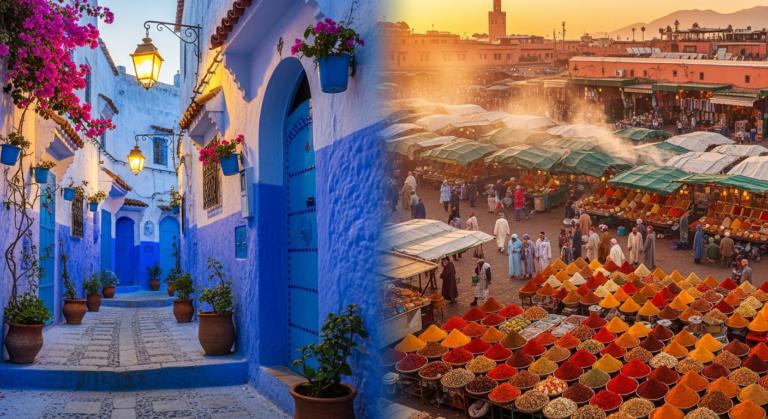
Choosing where to travel in 2026 is no small decision. Travelers want culture, value, safety, and authenticity — all in one destination. Morocco delivers on every count. From the Sahara Desert’s golden dunes to the blue-washed streets of Chefchaouen, the country offers an unmatched sensory experience. Whether you seek adventure, culinary discovery, or spiritual depth, Morocco answers the call. This guide explores the top reasons to visit Morocco in 2026, backed by real data, traveler testimonials, and expert insights. By the end, you will know exactly why Morocco deserves a place at the top of your itinerary — and how to make the most of your trip.
—
Key Takeaways
– 🌍 Morocco welcomed over 13 million international tourists in 2023, with growth projected to exceed 15 million by 2026.
– 🏛️ UNESCO-listed medinas, ancient kasbahs, and living Berber culture offer unrivaled historical depth.
– 💰 Morocco remains one of the most affordable Mediterranean-adjacent destinations for international travelers.
– 🚄 New infrastructure, including expanded rail and airport upgrades, is making Morocco easier to explore than ever.
– 🍽️ Moroccan cuisine ranks among the world’s top 10 most complex culinary traditions, per the Oxford Food Symposium.
– ☀️ Morocco enjoys 300+ sunny days per year, making it a year-round destination for global travelers.
—
1. A Cultural Mosaic Unlike Anywhere Else
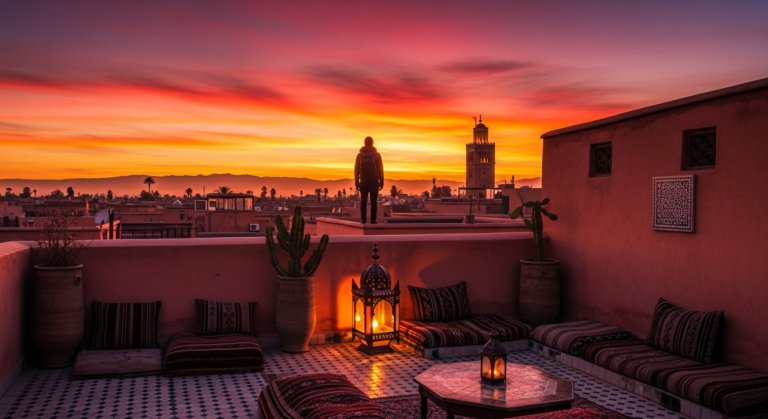
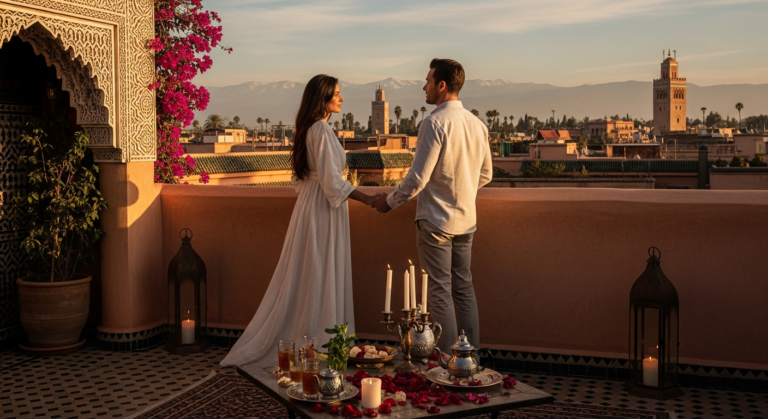
Morocco sits at the crossroads of Arab, Berber, African, and Andalusian civilizations. This blend creates a cultural richness that very few destinations can match. Walk through Fès’s ancient medina — a UNESCO World Heritage Site — and history surrounds you at every turn. The city’s 9th-century Al-Qarawiyyin University is the world’s oldest continuously operating institution of higher learning. Furthermore, the country’s four Imperial Cities — Fès, Marrakech, Meknès, and Rabat — each hold distinct architectural and cultural identities. Travelers consistently describe this diversity as transformative. *”Morocco doesn’t feel like one country — it feels like ten,”* says cultural travel writer Leila Benchekroun. In 2026, with new cultural tourism routes being formalized, this experience deepens even further.
—
2. Exceptional Value for International Travelers
Morocco offers outstanding value compared to European destinations. A mid-range traveler can comfortably explore Morocco on $60–$90 per day, including accommodation, meals, and local transport. By contrast, similar travel in France or Spain costs $180–$250 per day. Below is a quick cost comparison:
| Expense Category | Morocco (USD) | Spain (USD) | France (USD) |
|—|—|—|—|
| Mid-range hotel (per night) | $30–$60 | $90–$140 | $110–$160 |
| Restaurant meal (per person) | $5–$12 | $18–$30 | $20–$40 |
| Local transport (per day) | $3–$8 | $10–$18 | $12–$22 |
| Cultural site entry | $1–$5 | $8–$15 | $10–$20 |
Additionally, the Moroccan dirham remains favorable against the US dollar and euro. Travelers report stretching their budgets significantly. *”We did 12 days in Morocco for what two days in Paris would have cost us,”* shared James Howell, a British travel blogger, in 2024.
—
3. World-Class Natural Landscapes
Morocco’s geography is staggeringly diverse. Within a single day, you can move from Atlantic coastline to alpine forest to Saharan dune. The Erg Chebbi dunes near Merzouga rise to over 150 meters — among the most dramatic in the world. Meanwhile, the Todra Gorge in the High Atlas reaches walls of 300 meters, attracting serious rock climbers and trekkers globally. The Draa Valley, often overlooked, stretches for 200 kilometers with palm groves and ancient ksour villages. Moreover, the coastal town of Essaouira offers consistent Atlantic winds, making it a global hotspot for kitesurfing and windsurfing. Morocco’s natural diversity ensures that every type of traveler — from beach lovers to mountaineers — finds a purpose. In 2026, eco-tourism trails in the Atlas Mountains are set to expand significantly.
—
4. Infrastructure Improvements for 2026
Morocco has invested heavily in tourism infrastructure in recent years. The country is co-hosting the 2030 FIFA World Cup alongside Spain and Portugal. In preparation, it has committed over $4 billion to stadium construction, road upgrades, and airport expansions. Marrakech Menara Airport is undergoing a capacity upgrade to handle 10 million passengers annually. Additionally, a high-speed rail extension connecting Marrakech to Agadir is in advanced planning stages. Tangier’s new port development further accelerates connectivity from Europe. These developments benefit tourists directly. Smoother arrivals, better road networks, and expanded hotel inventory all improve the overall travel experience. Consequently, Morocco’s tourism infrastructure is expected to rank among Africa’s top 3 by the time the 2030 World Cup arrives. Visiting in 2026 means enjoying fresh infrastructure before peak World Cup demand.
—
5. Culinary Experiences That Reward the Adventurous
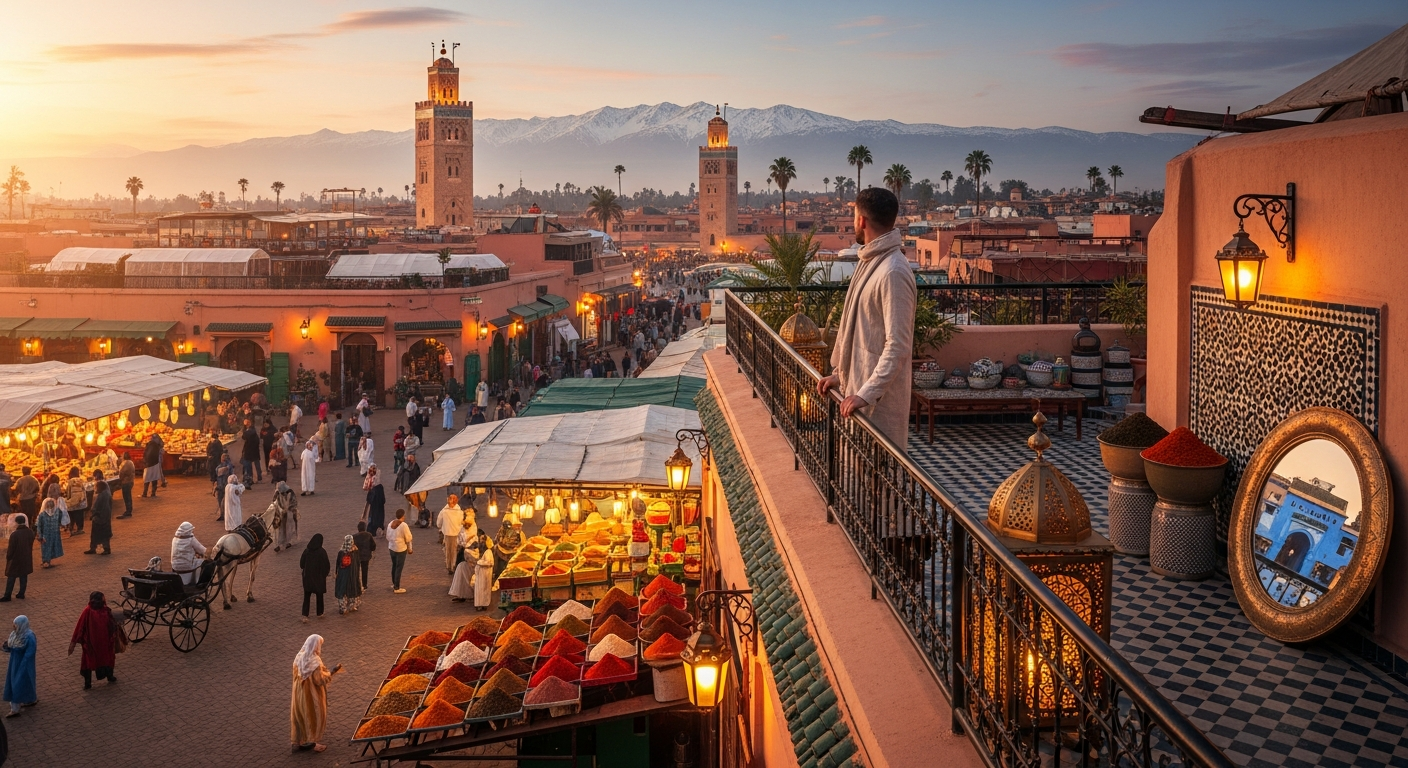
Moroccan food is one of the most layered and complex culinary traditions on the planet. Signature dishes like tagine, bastilla, harira, and couscous use spice combinations refined over centuries. The spice souks of Marrakech alone — selling cumin, saffron, ras el hanout, and preserved lemon — are a sensory education. Moreover, food tourism is growing rapidly. Cooking classes in Fès and Marrakech now attract travelers from over 40 countries. Notably, Moroccan saffron from Taliouine is considered among the world’s finest, fetching up to $15 per gram internationally. Beyond restaurants, experiencing a traditional Moroccan meal hosted in a family riad is a cultural immersion few destinations offer. As culinary travel expert Anissa Helou notes, *”Moroccan hospitality is edible — every dish is an act of generosity.”*
—
6. Spiritual Depth and Architectural Grandeur
Morocco’s spiritual landscape is both accessible and profound. The country hosts some of Islam’s most stunning architecture — from the Hassan II Mosque in Casablanca (the world’s third-largest mosque) to the medinas of Fès and Meknes. The Hassan II Mosque alone accommodates 105,000 worshippers and features an ocean-facing glass floor. Sufi music ceremonies, particularly the Gnawa traditions native to Morocco, represent a living spiritual heritage recognized by UNESCO in 2019. Additionally, the ancient Jewish heritage sites of Fès and Essaouira add further spiritual complexity. Morocco is one of very few countries where Islamic, Jewish, and Andalusian spiritual traditions visibly coexist and intertwine. For travelers seeking meaning beyond sightseeing, Morocco delivers rare depth. *”Architecture here doesn’t decorate life — it defines it,”* observes architect and travel commentator Yassine Fattah.
—
7. Safety, Accessibility, and Visa Ease
Safety is a primary concern for modern travelers. Morocco consistently ranks as one of Africa’s safest tourist destinations. The Global Peace Index 2023 placed Morocco among the top countries in North Africa and the Middle East for travel safety. Furthermore, citizens from over 68 countries can enter Morocco visa-free, including nationals from the USA, UK, EU, Canada, and Australia. Travel time is also a major advantage — Morocco is just 3 hours from major European airports like Madrid, Paris, and London Heathrow. Below is a quick accessibility overview:
| Origin Country | Flight Duration | Visa Required? |
|—|—|—|
| United Kingdom | ~3.5 hours | No |
| France | ~2.5 hours | No |
| United States | ~8–9 hours | No |
| Germany | ~3.5 hours | No |
| Canada | ~9–10 hours | No |
These factors combine to make Morocco one of the most accessible non-European destinations for global travelers in 2026.
—
8. Sustainable and Responsible Tourism Growth
Morocco is actively building a responsible tourism economy. The country’s Vision 2030 Tourism Strategy prioritizes eco-lodges, community-based tourism, and cultural preservation. Over 200 certified eco-lodges now operate across the Atlas Mountains and Saharan regions. The Aït Benhaddou kasbah community — a UNESCO site and filming location for *Game of Thrones* — has developed community benefit programs to ensure tourism revenues stay local. Additionally, solar-powered desert camps near Merzouga reduce carbon footprint without compromising luxury. Morocco generated 80% of its national electricity from renewables in certain months of 2023, reflecting a broader green commitment. For the conscious traveler, this matters deeply. *”Morocco is showing that tourism and sustainability can coexist beautifully,”* says eco-tourism researcher Dr. Fatima Zahra Ouhajou in a 2024 report.
—
Frequently Asked Questions (FAQs)
Q1: What is the best time to visit Morocco in 2026?
Spring (March–May) and autumn (September–November) offer the most comfortable temperatures. Summers are hot inland but pleasant on the Atlantic coast.
Q2: Is Morocco safe for solo female travelers?
Yes. With standard precautions, Morocco is considered safe for solo female travelers. Busy medinas, riads with female staff, and guided tours add extra comfort layers.
Q3: How much spending money do I need per day in Morocco?
Budget travelers manage on $40–$60 per day. Mid-range travelers spend $70–$120. Luxury travelers can spend $200+ in premium riads and private excursions.
Q4: Do I need vaccinations to visit Morocco?
No mandatory vaccinations are required. However, Hepatitis A, Typhoid, and updated routine vaccinations are recommended by most travel health advisors.
Q5: Can I visit Morocco and the Sahara Desert in one trip?
Absolutely. A 10–14 day itinerary comfortably includes the Imperial Cities, Atlas Mountains, and a 2-night Sahara camp experience.
Q6: What languages are spoken in Morocco?
Arabic and Tamazight (Berber) are official languages. French is widely spoken in cities. Spanish is common in the north. English is increasingly spoken in tourist areas.
—
Conclusion
Morocco in 2026 represents a rare convergence of opportunity. The destination offers extraordinary culture, dramatic landscapes, world-class cuisine, and growing infrastructure — all at a fraction of European costs. Whether you are drawn by the medinas of Fès, the dunes of the Sahara, or the hospitality of a family-run riad, Morocco will exceed your expectations. The country is evolving purposefully, investing in both visitor experience and sustainable development. Critically, visiting in 2026 positions you ahead of the massive tourism surge expected around the 2030 World Cup. Now is the ideal moment. Plan deliberately, travel respectfully, and Morocco will reward you with memories that no algorithm can replicate.
—
References
1. World Tourism Organization (UNWTO) — Morocco Tourism Statistics 2023. [unwto.org](https://www.unwto.org)
2. Global Peace Index 2023 — Institute for Economics and Peace. [visionofhumanity.org](https://www.visionofhumanity.org)
3. UNESCO World Heritage List — Morocco Sites. [whc.unesco.org](https://whc.unesco.org)
4. Morocco Vision 2030 Tourism Strategy — Moroccan Ministry of Tourism. [tourisme.gov.ma](https://www.tourisme.gov.ma)
5. Oxford Symposium on Food and Cookery — Culinary Complexity Rankings. [oxfordsymposium.org.uk](https://www.oxfordsymposium.org.uk)
6. FIFA World Cup 2030 Host Nation Infrastructure Plans. [fifa.com](https://www.fifa.com)
7. IRENA — Morocco Renewable Energy Report 2023. [irena.org](https://www.irena.org)